Combining Ruaha National Park with Ngorongoro Crater brings together two contrasting Tanzanian wildlife destinations. Ruaha offers expansive wilderness, river landscapes, and rewarding game drives, while Ngorongoro adds a dramatic volcanic setting.
If you are searching for a Ruaha safari Ngorongoro operator, start by looking for clear route planning. These destinations lie in different safari regions, so the journey between them deserves as much attention as the accommodation and wildlife activities.
This guide explains what makes the combination appealing, how to structure your itinerary, and what to check before booking.
Why Combine Ruaha and Ngorongoro?
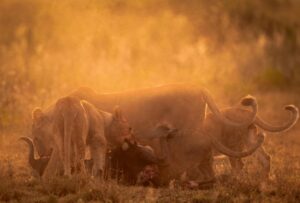
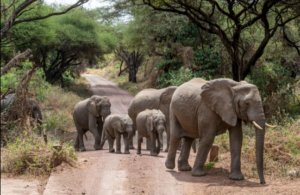
Ruaha’s appeal lies in its varied habitats and sense of space. During the dry season, elephants, buffalo, and other wildlife gather around remaining water sources, creating rewarding viewing opportunities. TANAPA also highlights the park’s extensive, lightly visited wilderness areas. Ruaha National Park
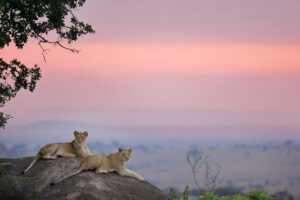
Ngorongoro offers a different landscape: a vast volcanic caldera within the wider Ngorongoro Conservation Area. Its crater floor, surrounding highlands, and wildlife habitats give a combined safari greater variety. ngorongorocrater.org
For travelers who enjoy contrasting scenery, this pairing can make a memorable alternative to spending the entire trip in one safari circuit.
What to Look for in a Ruaha Safari Ngorongoro Operator
Clear transport arrangements
Ask the operator to explain every transfer, including departure points, arrival points, and overnight stops. If flights are proposed, request the routing and baggage allowance before confirming.
Avoid an itinerary that leaves the journey between Ruaha and northern Tanzania described only as a “transfer.” You should understand how much of that day will involve travel.
Enough time for wildlife viewing
For planning purposes, consider three or more nights in Ruaha, followed by accommodation near Ngorongoro and a crater excursion. Add arrival and connecting nights where necessary.
This is a suggested starting point, rather than a fixed package. Your final trip length should reflect available connections, budget, and preferred pace.
A detailed quotation
A useful quotation should identify:
- Accommodation names, room types, and meal plans.
- Private or shared vehicle arrangements for each safari section.
- Park entry and applicable crater charges.
- Flights, airport transfers, and baggage limits.
- Included activities and optional extras.
- Payment deadlines and cancellation terms.
Ask whether different local teams will handle the two destinations and who will remain your main contact throughout the trip.
Suggested Eight-Day Safari Outline
The following itinerary is an illustration. Flight connections and accommodation availability must be checked before booking.
| Day | Suggested plan |
|---|---|
| 1 | Arrive in Tanzania and overnight at the appropriate gateway |
| 2 | Travel to Ruaha; enjoy a game drive if arrival time permits |
| 3 | Explore Ruaha on game drives |
| 4 | Spend another day discovering Ruaha’s habitats |
| 5 | Travel toward northern Tanzania; overnight according to connections |
| 6 | Transfer to Karatu or the Ngorongoro area |
| 7 | Enjoy a Ngorongoro Crater excursion and overnight nearby |
| 8 | Transfer for departure or continue your holiday |
If the available connections require extra time, extend the itinerary instead of reducing the main wildlife days.
When Should You Travel?
For a trip focused on Ruaha’s dry-season wildlife gatherings, June to October is a useful period to consider. TANAPA identifies these months as a time when animals are drawn toward the Great Ruaha River and other water sources. Sightings still depend on conditions and animal movements. TANAPA
Before choosing dates, ask how seasonal conditions affect your particular camps, access routes, and planned activities. Travelers considering wetter months should also confirm which accommodation properties will be operating.
Choosing Accommodation
In Ruaha, options include campsites, park bandas, tented camps, and lodges. TANAPA lists accommodation around several areas of the park, including Mwagusi, Mdonya, and Jongomero. Location should therefore form part of the discussion, alongside room comfort and price. Ruaha National Park
For Ngorongoro, ask the operator to compare accommodation around the crater with alternatives farther away. Request the expected morning driving time from each proposed property.
If you prefer a tented camp, confirm whether it provides proper beds, an ensuite bathroom, hot water, and charging facilities. “Tented accommodation” can describe very different levels of comfort.
What Determines the Cost?
A combined safari budget depends on several choices:
| Cost factor | What to clarify |
|---|---|
| Transport | Flight routing, road transfers, and any connecting nights |
| Accommodation | Property, room category, location, and travel season |
| Group size | Number of guests sharing vehicles and rooms |
| Safari arrangements | Private or shared activities at each destination |
| Fees | Park, accommodation-related, and crater charges included |
| Extras | Drinks, laundry, tips, and optional activities |
Request a total for your exact dates and group size. A low headline price is difficult to assess without knowing what it includes.
Plan Your Safari with Kilipath African Safaris
Interested in combining Ruaha’s wilderness with Ngorongoro’s volcanic scenery? Contact Kilipath African Safaris with your travel dates, number of guests, preferred accommodation, and approximate budget.
Request a tailored proposal showing the transport arrangements, wildlife days, accommodation options, and full inclusions so you can make an informed booking decision.