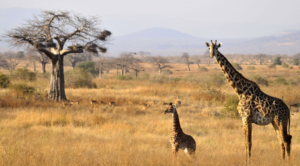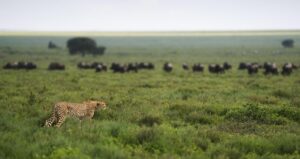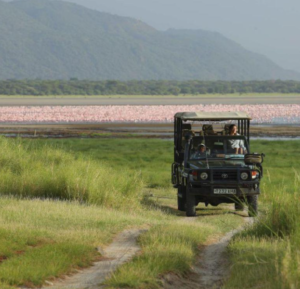
A journey combining Serengeti National Park and Ruaha National Park introduces travelers to two remarkably different sides of Tanzania. The Serengeti offers legendary plains, abundant predators and the Great Wildebeest Migration, while Ruaha delivers remote landscapes, ancient baobab trees, enormous elephant herds and quiet game-viewing areas.
However, these parks are located in different regions of Tanzania. The Serengeti is part of the country’s Northern Safari Circuit, whereas Ruaha lies in south-central Tanzania. Combining them successfully requires thoughtful planning, suitable domestic flights and the assistance of an experienced Serengeti safari Ruaha company.
This complete guide explains how to connect the two parks, when to travel, what animals you may encounter, how many days you need and what to consider when choosing a safari operator.
Why Combine Serengeti and Ruaha?
Many first-time visitors concentrate on Tanzania’s Northern Circuit because it contains Serengeti National Park, Ngorongoro Crater, Tarangire National Park and Lake Manyara. These destinations are famous for their wildlife density and relatively convenient road connections.
Ruaha National Park offers an entirely different atmosphere. It is more remote, receives fewer visitors and presents a dramatic mixture of open plains, rocky hills, seasonal rivers and baobab woodland.
Combining Serengeti and Ruaha allows you to experience:
- The Great Wildebeest Migration in the Serengeti
- Excellent big-cat sightings in both parks
- Large elephant populations in Ruaha
- Dramatically different landscapes
- Busy wildlife areas and secluded wilderness
- Tanzania’s Northern and Southern Safari Circuits
- Both classic and off-the-beaten-path safari experiences
According to Tanzania National Parks, Ruaha covers approximately 20,226 square kilometres and is Tanzania’s second-largest national park. Its remote location creates a quieter safari experience than Tanzania’s more heavily visited parks. Tanzania National Parks—Ruaha
A combined safari is especially suitable for repeat African travelers, photographers, honeymooners and wildlife enthusiasts who want more than a standard Northern Circuit itinerary.
Understanding Serengeti National Park
Serengeti National Park is Tanzania’s most internationally recognized wildlife destination. Its name comes from a Maasai expression commonly translated as “endless plains,” an appropriate description of the park’s expansive grasslands.
The Serengeti ecosystem extends beyond the national park itself and includes neighboring conservation areas and reserves. Animals move throughout this ecosystem according to water availability and seasonal rainfall.
Wildlife in the Serengeti
The Serengeti supports an extraordinary variety of wildlife. Depending on your route, season and luck, you may encounter:
- Lions
- Leopards
- Cheetahs
- Elephants
- Giraffes
- Buffalo
- Spotted hyenas
- Hippos
- Crocodiles
- Topis
- Elands
- Grant’s and Thomson’s gazelles
- Wildebeest
- Zebras
- Jackals
- Servals
Central Serengeti, particularly the Seronera region, is known for dependable year-round wildlife viewing. Permanent water sources attract resident animals even when the migrating herds have moved into another part of the ecosystem.
Leopards are frequently searched for around riverine woodland, while lions can be found resting on rocky kopjes or following herbivore herds across the plains. Cheetahs generally prefer open areas where they can use speed to hunt.
The Great Wildebeest Migration
The Great Migration is not a single event with a fixed location. It is a continuous movement involving wildebeest, zebras and other grazing animals. Their position changes with rainfall, grazing conditions and the timing of the seasons.
A general migration calendar looks like this:
| Period | General area | Possible highlights |
|---|---|---|
| December–March | Ndutu and southern ecosystem | Calving, predator activity and large herds |
| April–May | Central and western areas | Green landscapes and moving herds |
| June–July | Western and northern corridors | Herd movement and possible river crossings |
| August–October | Northern Serengeti | Possible Mara River crossings |
| November | Central and eastern areas | Herds returning south after seasonal rain |
These movements are natural and never guaranteed. A knowledgeable safari company should explain the likely location of the herds without promising a particular crossing or kill.
Understanding Ruaha National Park
Ruaha National Park is one of Tanzania’s finest wilderness areas. The park is distinguished by baobab-covered landscapes, rugged hills and the Great Ruaha River, which becomes an essential gathering point for wildlife during the dry season.
Unlike the broad, predominantly open plains commonly associated with the Serengeti, Ruaha presents a mixture of habitats. Miombo woodland meets East African savannah, creating varied scenery and supporting an impressive range of animals.
Wildlife in Ruaha
Ruaha is particularly celebrated for elephants and predators. Travelers may encounter:
- Large elephant herds
- Lions
- Leopards
- Cheetahs
- African wild dogs
- Greater and lesser kudu
- Sable antelopes
- Roan antelopes
- Buffalo
- Giraffes
- Zebras
- Impalas
- Hippos
- Crocodiles
- Spotted hyenas
- Jackals
Wild dogs are among Africa’s most endangered carnivores. They roam across large territories, which means sightings can never be guaranteed, but Ruaha remains one of Tanzania’s important wild-dog habitats.
The park is also situated in a transition zone where wildlife associated with eastern and southern Africa can occur. This contributes to Ruaha’s unusual animal diversity.
The Great Ruaha River
The Great Ruaha River is one of the park’s defining natural features. During the dry season, animals concentrate around the river and remaining water sources. Elephants dig into sandy riverbeds to locate underground water, while predators patrol areas where prey is most abundant.
Hippos and crocodiles inhabit the deeper pools. Lions, leopards and other predators take advantage of the concentration of herbivores.
TANAPA describes the river as the park’s lifeline and highlights the June-to-October dry period as an important wildlife-viewing season. Official Ruaha visitor information
A Quieter Safari Experience
Ruaha generally receives fewer visitors than the Serengeti. On some game drives, travelers may spend considerable time without encountering another vehicle.
This makes Ruaha particularly attractive to:
- Photographers who need time at sightings
- Honeymooners seeking privacy
- Experienced safari travelers
- Visitors who dislike crowded viewing areas
- Travelers interested in wilderness rather than a checklist
- Guests staying in smaller camps
Low visitor numbers do not mean wildlife sightings are automatic. Ruaha is enormous, and its vegetation can sometimes make animals more challenging to locate. A skilled local guide is therefore especially valuable.
Serengeti Versus Ruaha: The Main Differences
Although both parks provide outstanding wildlife viewing, their safari experiences are different.
| Feature | Serengeti | Ruaha |
|---|---|---|
| Safari circuit | Northern Circuit | Southern Circuit |
| Famous for | Great Migration and open plains | Elephants, predators and remote wilderness |
| Visitor numbers | Moderate to high in popular seasons | Generally lower |
| Landscape | Grasslands, kopjes and river valleys | Baobabs, woodland, rivers and rugged hills |
| Wildlife viewing | Abundant and often easier to locate | Wild, rewarding and sometimes more challenging |
| Main gateway | Arusha or Kilimanjaro | Dar es Salaam or Iringa |
| Ideal stay | Three to five nights | Three to four nights |
| Best for | First safaris and migration enthusiasts | Repeat visitors, photographers and solitude seekers |
The Serengeti often delivers a high number of sightings within a relatively short period. Ruaha rewards patient exploration and creates a stronger sense of remoteness.
Neither park is objectively better. They complement each other, which is precisely why combining them can produce such a memorable safari.
How Do You Travel Between Serengeti and Ruaha?
This is one of the most important planning questions. The parks are far apart and do not form a practical direct road-safari route for most travelers.
Driving from the Serengeti to Ruaha would involve long transfers and potentially overnight stops. It can be incorporated into an extended overland expedition, but it is rarely the best option for a normal holiday.
Flying Between Safari Circuits
Domestic flights are usually the most practical solution. An itinerary may connect the Serengeti with Ruaha through Arusha, Dar es Salaam or another flight hub, depending on the current seasonal schedule.
The exact route can change according to:
- Travel date
- Airline schedule
- Airstrip availability
- Minimum passenger requirements
- Weather
- Accommodation location
- Whether the flight operates directly or with stops
A domestic “flight” between safari regions may include more than one landing to collect or drop off passengers. Small aircraft also have stricter luggage restrictions than international airlines. Soft-sided bags are strongly recommended.
Because schedules and routings can change, your Serengeti safari Ruaha company should confirm the operating flight before finalizing the safari.
Possible Route Structure
A practical journey can follow this sequence:
- Arrive at Kilimanjaro International Airport.
- Travel to Arusha for the first night.
- Visit Ngorongoro, Tarangire or another Northern Circuit park.
- Continue to Serengeti National Park.
- Fly from a Serengeti airstrip toward Ruaha.
- Spend three or four nights in Ruaha.
- Fly to Dar es Salaam or Zanzibar.
- Continue with a beach holiday or international departure.
The itinerary can also operate in reverse. Travelers arriving through Dar es Salaam may begin in Ruaha and finish in the Serengeti before departing through Kilimanjaro International Airport.
How Many Days Do You Need?
A rushed itinerary can reduce the value of combining these two distant destinations. Each park deserves several game drives, and at least part of one day may be needed for the transfer between circuits.
A minimum of approximately eight safari days is advisable. Ten to twelve days provides a more comfortable experience.
Eight-Day Express Itinerary
Day 1: Arrival in Arusha
Meet your representative at Kilimanjaro International Airport and transfer to your Arusha accommodation.
Day 2: Fly to Serengeti
Take a morning flight into the Serengeti. Meet your guide at the airstrip and begin your first game drive.
Days 3–4: Serengeti
Enjoy morning and afternoon game drives, concentrating on the best wildlife areas for the season.
Day 5: Fly toward Ruaha
Transfer to the airstrip and fly to Ruaha. Your Ruaha guide will meet you upon arrival.
Days 6–7: Ruaha
Explore the river, woodland and baobab-covered landscapes on game drives.
Day 8: Departure
Fly from Ruaha to Dar es Salaam or Zanzibar.
This arrangement works, but it leaves limited room for schedule changes and provides only a brief introduction to each park.
Recommended Ten-Day Itinerary
Day 1: Arrival in Arusha
Airport pickup, safari briefing and overnight in Arusha.
Day 2: Tarangire National Park
Travel to Tarangire for elephant viewing and a game drive among baobab trees.
Day 3: Ngorongoro Crater
Descend into the crater for a full or extended game drive before continuing to your accommodation.
Day 4: Serengeti National Park
Enter the Serengeti and enjoy an afternoon game drive.
Days 5–6: Serengeti exploration
Explore the most suitable region according to the season and wildlife movements.
Day 7: Serengeti to Ruaha
Fly between the safari circuits and transfer to your Ruaha camp.
Days 8–9: Ruaha National Park
Enjoy full days of game viewing. Depending on your camp and park regulations, optional walking or night experiences may be available.
Day 10: Ruaha to Dar es Salaam or Zanzibar
Complete a final short activity if the flight schedule permits, then fly onward.
Twelve-Day In-Depth Itinerary
A twelve-day journey can include:
- One night in Arusha
- One or two nights in Tarangire
- One night near Ngorongoro
- Three or four nights in the Serengeti
- Three or four nights in Ruaha
- A departure night in Dar es Salaam or Zanzibar
This slower itinerary gives you more time to observe animal behavior, respond to seasonal conditions and enjoy your camps rather than constantly packing and transferring.
Best Time for a Serengeti and Ruaha Safari
The most suitable period depends on your wildlife interests, budget and tolerance for rain.
June to October: The Dry Season
The dry season is generally the easiest period for combining the parks.
In Ruaha, animals gather near rivers and permanent water sources as smaller seasonal sources disappear. Vegetation becomes less dense, which can improve visibility.
In the Serengeti, the migration may be found in the western, central or northern regions depending on the month and rainfall. July through October is associated with northern migration viewing, although exact herd positions remain unpredictable.
Advantages include:
- Concentrated wildlife in Ruaha
- Lower rainfall
- Comfortable game-drive conditions
- Excellent predator opportunities
- Potential migration viewing
Possible disadvantages include:
- Higher accommodation prices
- Greater demand for flights and camps
- More visitors in popular Serengeti regions
- Dusty roads and dry landscapes
November and December: Short Rains
Short rains refresh the landscapes and can create dramatic skies for photography. Migratory birds arrive, and the Serengeti herds generally begin moving toward the southern ecosystem.
Rain is usually intermittent rather than continuous, but road and flight conditions can vary.
January to March: Calving Season
The southern Serengeti and Ndutu region can provide outstanding wildlife viewing during this period. Thousands of wildebeest calves are born, attracting lions, cheetahs and hyenas.
Ruaha may be green and beautiful, but wildlife can be more widely dispersed because water is available throughout the landscape. Some camps may also operate seasonally, so availability must be confirmed.
April and May: Long Rains
This is Tanzania’s wetter period. Advantages may include greener scenery, fewer visitors and promotional accommodation rates.
However:
- Some Ruaha camps close temporarily.
- Certain roads may become difficult.
- Flights may operate on reduced schedules.
- Animals may be harder to locate in thick vegetation.
- Outdoor plans may require greater flexibility.
Travel is still possible, but the itinerary should be designed by a company with current knowledge of camp operations and transport schedules.
Accommodation Options
Both parks offer accommodation ranging from public campsites to exclusive luxury lodges.
Budget Camping
Public camping can reduce the cost of a Serengeti safari. A typical camping package may provide:
- Tent
- Mattress
- Sleeping bag
- Camping chairs and table
- Safari cook
- Prepared meals
- Shared toilets and showers
Camping is more commonly integrated into Northern Circuit road safaris. Including public camping in a combined Serengeti–Ruaha itinerary requires careful planning because the domestic flight may limit the amount of equipment that can be transported.
Separate equipment or crews may be required in each circuit.
Mid-Range Tented Camps
Mid-range tented camps usually provide:
- Proper beds
- Private bathroom
- Hot shower
- Restaurant or dining tent
- Charging facilities
- Lounge area
- Personalized service
These camps offer a strong balance between comfort and immersion in nature.
Luxury Safari Camps
Luxury properties may include:
- Spacious tented suites
- Private decks
- Premium food and drinks
- Laundry service
- Swimming pool
- Private vehicle options
- Bush breakfasts or dinners
- Highly personalized guiding
Luxury prices vary significantly according to season, location and whether domestic flights are included.
Activities to Consider
Daytime Game Drives
Game drives are the foundation of both Serengeti and Ruaha safaris. Private vehicles offer the most flexibility because you can choose departure times and spend longer at sightings.
Hot-Air Balloon Safari
Balloon flights may be available in selected areas and seasons. Guests normally leave camp before sunrise, receive a safety briefing and fly over the landscape before landing for breakfast.
Ballooning is weather dependent and should be booked early. It is also important to confirm the cancellation and refund policy.
Walking Safari
Ruaha is a particularly appealing destination for guided walking experiences. Walking allows travelers to notice tracks, plants, insects and smaller details that are easily missed from a vehicle.
Walks are conducted with trained personnel and are subject to park regulations, wildlife conditions and the program offered by the camp.
Night Game Drive
Night drives reveal nocturnal wildlife and behavior not usually seen during the day. Availability depends on the location, licensed operator and current park regulations.
Never assume that a night drive is automatically included. Ask your safari company to confirm where it operates, its cost and whether it requires a particular accommodation.
Birdwatching
Both parks offer rewarding birdwatching. Ruaha’s varied habitats are particularly interesting because species associated with different ecological regions occur within the park.
Travelers interested in birds should inform the company in advance so an appropriately experienced guide can be requested.
What Should a Safari Package Include?
Before accepting a quotation, check the inclusions carefully. A well-prepared combined package may include:
- Airport transfers
- Accommodation before or after the safari
- Private 4×4 safari vehicle
- Professional driver-guide
- Domestic flights
- Park conservation fees
- Vehicle entry fees
- Concession or camping fees
- Accommodation
- Meals during the safari
- Drinking water
- Airstrip transfers
- Government taxes
- Emergency support
Common exclusions include:
- International flights
- Visa fees
- Travel insurance
- Optional activities
- Alcoholic drinks
- Personal purchases
- Guide and camp-staff gratuities
- Medical expenses
- Changes requested after confirmation
Request a written day-by-day itinerary and itemized inclusion list. The least expensive quotation is not always the best value if essential flights, fees or transfers have been omitted.
How to Choose a Serengeti Safari Ruaha Company
Choosing the right operator is especially important because this itinerary involves different safari circuits and several service providers.
1. Look for Tanzania-Based Experience
A locally based operator should understand regional transport, park procedures, seasonal wildlife movements and accommodation logistics.
Ask whether the company has personally arranged trips to both Serengeti and Ruaha. Experience in only one circuit may not be sufficient for a complicated combination.
2. Check the Proposed Routing
The itinerary should state:
- Where the safari begins
- Which airport you should use
- The order of the parks
- How the parks are connected
- Domestic flight details
- Number of nights in each area
- Where the safari ends
- Whether Zanzibar can be added
Be cautious if the itinerary treats Serengeti and Ruaha as neighboring parks. They are separated by a considerable distance.
3. Ask About Guide Arrangements
A flying safari may use separate guides and vehicles in the Serengeti and Ruaha. This is normal, but it should be explained.
Ask whether game drives will be private or shared. Shared camp vehicles are less expensive, while private vehicles offer greater control over timing and photography.
4. Read Recent Reviews
Look for feedback covering:
- Communication
- Guide quality
- Vehicle condition
- Accuracy of the itinerary
- Accommodation
- Handling of domestic flights
- Emergency assistance
- Payment transparency
Consider patterns across several reviews rather than relying on a single comment.
5. Confirm Payment Conditions
Before paying, request:
- A formal invoice
- Deposit percentage
- Balance deadline
- Accepted payment methods
- Card or bank charges
- Cancellation conditions
- Refund rules
- Procedure for flight changes
Domestic flights and accommodation may have stricter cancellation policies than the safari operator’s general terms.
6. Evaluate Communication
A professional company should respond clearly and realistically. Good communication is particularly important when coordinating bush flights and accommodation in two distant regions.
The operator should also be honest about uncertainties. Wildlife sightings, migration positions and river crossings cannot be guaranteed.
What Does the Safari Cost?
There is no single price for a combined Serengeti and Ruaha safari. The total depends on:
- Number of travelers
- Travel season
- Accommodation category
- Domestic flight fares
- Private or shared game drives
- Number of safari days
- Park-entry duration
- Optional activities
- Starting and ending airports
- Single-room supplements
Flying between the circuits makes this itinerary more expensive than visiting only the Northern Circuit. However, travelers gain access to two contrasting ecosystems without spending several days on road transfers.
As a broad planning principle:
- Budget trips use simpler accommodation and fewer flying sectors.
- Mid-range trips normally combine tented camps with scheduled flights.
- Luxury trips may use premium camps, private vehicles and charter flights.
Request a customized quotation based on confirmed travel dates. Park fees, flight schedules and camp rates can change, so old online price examples should not be treated as guaranteed current prices.
Responsible Safari Practices
Responsible tourism helps protect wildlife and supports local communities.
During the safari:
- Follow your guide’s instructions.
- Never pressure the driver to leave established tracks illegally.
- Keep noise low around animals.
- Do not feed wildlife.
- Avoid littering.
- Respect viewing distances.
- Do not remove plants, stones or natural objects.
- Choose reusable water containers when available.
- Ask permission before photographing local people.
- Support legitimate community initiatives.
Select an operator that employs trained Tanzanian guides, pays staff fairly and follows national-park regulations.
What to Pack
Recommended items include:
- Neutral-colored, lightweight clothing
- Warm fleece or jacket
- Comfortable closed shoes
- Sun hat
- Sunglasses
- High-SPF sunscreen
- Insect repellent
- Binoculars
- Camera and spare batteries
- Power bank
- Small personal first-aid kit
- Prescribed medication
- Soft-sided travel bag
- Passport copies
- Travel-insurance documents
Morning drives can feel cold, particularly in open vehicles or at higher elevations. Temperatures can rise substantially later in the day, so layers are useful.
Small bush aircraft enforce luggage limits. Confirm the allowed weight and bag dimensions with your operator before departure.
Health and Travel Preparation
Travelers should consult a qualified healthcare professional about vaccination and malaria-prevention recommendations. Requirements can depend on your medical history and the countries you visit or transit through.
Comprehensive travel insurance should cover:
- Medical treatment
- Emergency evacuation
- Trip cancellation
- Delayed or cancelled flights
- Lost luggage
- Safari activities
- Any pre-existing conditions covered by the policy
Carry essential medication in your hand luggage rather than placing it in checked baggage.
Final Thoughts
Combining the Serengeti and Ruaha creates one of Tanzania’s most rewarding safari experiences. The Serengeti presents sweeping plains, abundant resident wildlife and the seasonal drama of the Great Migration. Ruaha introduces travelers to baobab woodland, river ecosystems, large elephant herds and a quieter sense of wilderness.
The considerable distance between the parks means that careful organization is essential. Domestic flights, airstrip transfers, accommodation availability and separate guiding arrangements must work together smoothly.
A dependable Serengeti safari Ruaha company will design the journey around your dates, budget and wildlife interests while explaining every logistical detail. With approximately eight to twelve days, you can experience Tanzania’s celebrated Northern Circuit and its remote southern wilderness without rushing through either destination.
For travelers who want iconic wildlife and genuine seclusion in a single holiday, a Serengeti and Ruaha safari is difficult to surpass.