Ruaha National Park is one of Tanzania’s most rewarding safari destinations. It combines dramatic baobab landscapes, the Great Ruaha River, excellent predator sightings, and a genuine sense of wilderness. Unlike Tanzania’s busier northern parks, Ruaha offers quieter game drives and an atmosphere that feels remote, spacious, and adventurous.
This complete guide to Tanzania safari itinerary Ruaha tours explains how to plan the route, how many days to spend, the best time to travel, what wildlife you may see, where to stay, and how to combine Ruaha with other destinations. Whether you are organizing a private couple’s safari, a family holiday, a photography tour, or a longer Southern Circuit adventure, this guide will help you choose a practical itinerary.
Why Include Ruaha in a Tanzania Safari Itinerary?
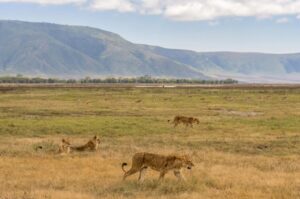
Ruaha is ideal for travelers who want an authentic safari away from the busiest routes. It is one of Tanzania’s largest protected wilderness areas and forms part of a much broader ecosystem. Its varied landscape includes river valleys, open plains, rocky hills, miombo woodland, and forests of baobab trees.
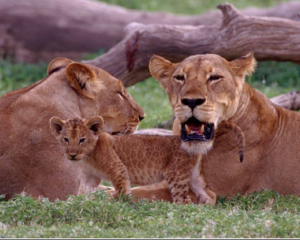
The park is particularly famous for elephants and predators. Lions, leopards, cheetahs, spotted hyenas, and African wild dogs may all be encountered. Ruaha also lies in a transition zone where wildlife from eastern and southern Africa overlaps, creating unusual variety among antelope species.
Travelers choose Ruaha because it offers:
- Fewer safari vehicles at many sightings
- Excellent opportunities to see elephants and lions
- Beautiful baobab scenery
- Strong birdwatching throughout the year
- A remote wilderness experience
- A choice of driving and fly-in itineraries
- Easy combination with Nyerere National Park and Mikumi National Park
For repeat safari visitors, photographers, honeymooners, and anyone who values privacy, Ruaha is often a highlight of Tanzania’s Southern Circuit.
Where Is Ruaha National Park?
Ruaha National Park is in south-central Tanzania, west of Iringa. The park is farther from Arusha and the famous Northern Circuit than Serengeti, Ngorongoro, Tarangire, and Lake Manyara. For that reason, Ruaha normally works best as part of a Southern Circuit itinerary or as a fly-in extension.
Most road itineraries begin in Dar es Salaam and travel through Mikumi and Iringa before reaching Ruaha. Another option is to fly from Dar es Salaam or Zanzibar to an airstrip serving the park. Domestic flight schedules vary, so your final itinerary should be arranged around the available connection.
If you are already visiting northern Tanzania, it is possible to connect Ruaha with Serengeti or Arusha, but this usually requires a domestic flight and careful planning. Trying to cover both regions entirely by road would consume too much vacation time.
How Many Days Should You Spend in Ruaha?
Three nights is a sensible minimum for most visitors. This normally provides two full safari days, plus shorter activities on arrival and departure days. Four nights gives greater flexibility and improves the chance of finding more elusive animals such as leopards and wild dogs.
A stay of five or more nights is excellent for photographers and travelers who enjoy slow, immersive safaris. Ruaha is a large park, and wildlife can be spread across different habitats. Extra time allows your guide to explore farther without rushing.
As a general guide:
- Two nights: Suitable for a quick fly-in safari, but time is limited.
- Three nights: A good introduction with two substantial game-viewing days.
- Four nights: Recommended for a relaxed and well-balanced experience.
- Five to seven nights: Ideal for photographers, safari enthusiasts, and slow travel.
The right duration also depends on the season, lodge location, flight schedule, and other parks included in your holiday.
Recommended 4-Day Ruaha Fly-In Safari
This compact itinerary is suitable for travelers coming from Dar es Salaam or Zanzibar who want to experience Ruaha without a long road transfer.
Day 1: Fly to Ruaha and Afternoon Game Drive
Take a scheduled or charter flight to Ruaha. After arrival, your guide will meet you at the airstrip and transfer you toward your lodge or camp. Depending on the flight time, you may begin game viewing immediately.
The first afternoon is a gentle introduction to Ruaha. Look for giraffes, zebras, impalas, greater kudus, elephants, and predators moving toward water. After the game drive, continue to your accommodation for dinner and overnight.
Day 2: Full-Day Ruaha Game Drive
Leave early when temperatures are cooler and predators may still be active. Your guide may explore the river, woodland, or plains according to recent wildlife movements. A picnic lunch can allow you to remain inside the park for the full day, while a lodge lunch creates a more relaxed schedule.
The Great Ruaha River and its seasonal tributaries attract animals during dry conditions. Watch for elephants digging for water, crocodiles near pools, and lions resting in shade. Return to camp in the late afternoon.
Day 3: Full-Day Wildlife Safari
Spend another day exploring a different area. No two game drives are the same. One day may focus on a pride of lions, while another reveals wild dogs, a leopard, or a large gathering of elephants.
Bird lovers should ask the guide to include riverine habitat and woodland. Ruaha supports an impressive variety of birds, from colorful rollers and bee-eaters to raptors and waterbirds.
Day 4: Morning Activity and Departure Flight
If the flight schedule allows, enjoy a final morning game drive before transferring to the airstrip. Fly onward to Dar es Salaam, Zanzibar, or another destination included in your itinerary.
This plan is efficient, but flight times determine how much safari time is available on the first and last days.
Recommended 6-Day Ruaha Road Safari from Dar es Salaam
A road safari gives travelers a better understanding of southern Tanzania and can be more economical than flying, particularly for a small private group. However, the driving distances are significant.
Day 1: Dar es Salaam to Mikumi
Depart early from Dar es Salaam and drive toward Mikumi. After arrival and lunch, enjoy an afternoon game drive if time permits. Mikumi’s open plains can provide sightings of elephants, buffaloes, giraffes, zebras, wildebeest, and lions.
Day 2: Mikumi to Iringa
Take a morning game drive or leave directly for Iringa, depending on your preferred pace. The drive reveals changing scenery as the route climbs toward Tanzania’s southern highlands. Overnight near Iringa and rest before continuing to Ruaha.
Day 3: Iringa to Ruaha National Park
After breakfast, drive to Ruaha. Enter the park and begin viewing wildlife en route to your lodge or camp. This transfer becomes part of the safari once you enter the protected area.
Day 4: Full-Day Ruaha Safari
Explore the park with a private guide. The exact route should respond to wildlife reports, water conditions, and your interests. Spend time near the river, scan rocky outcrops for predators, and watch elephant families moving through the baobab landscape.
Day 5: Second Full Day in Ruaha
Use the second full day to visit another habitat or return to an especially productive area. Travelers interested in photography can leave early and remain patient at sightings rather than trying to cover too much ground.
Day 6: Ruaha to Iringa or Fly Out
Begin the return journey toward Iringa, or use a flight connection if your package combines road travel with a flight. A fully road-based return to Dar es Salaam normally needs additional time, so many itineraries include another overnight stop.
For a comfortable round trip from Dar es Salaam, seven or eight days is often better than trying to complete everything in six.
Recommended 8-Day Southern Circuit Safari
Travelers with a full week can combine several parks. A sample route is:
- Day 1: Dar es Salaam to Mikumi
- Day 2: Mikumi game drive
- Day 3: Mikumi to Iringa
- Day 4: Iringa to Ruaha
- Days 5–6: Full-day Ruaha game drives
- Day 7: Ruaha to Iringa
- Day 8: Continue to Dar es Salaam or fly onward
An alternative combines Ruaha with Nyerere National Park. Because the distances are substantial, flying between key points can create a more comfortable itinerary. Nyerere complements Ruaha with river-based scenery and, where available under current park and operator arrangements, boat safari experiences.
Best Time for Tanzania Safari Itinerary Ruaha Tours
Ruaha is a year-round destination, but the experience changes with the seasons.
Dry Season: June to October
The dry season is generally preferred for concentrated wildlife viewing. Vegetation becomes thinner and animals gather around remaining water sources. Roads are usually easier to navigate, and predator activity around the river can be excellent.
July through October is popular, so well-located camps can fill early. Days are often sunny, while mornings and evenings may feel cool. September and October can become hot and dusty, but wildlife viewing is frequently rewarding.
Green Season: November to May
Seasonal rain transforms Ruaha into a green landscape. Migratory birds arrive, many animals give birth, and the scenery becomes vivid and photogenic. Visitor numbers are often lower, although wildlife may be more dispersed.
Rainfall does not necessarily mean continuous rain every day. Showers may be brief and followed by sunshine, but some roads can become difficult. Certain seasonal camps may close during the heavier rains, and flight or road arrangements should be confirmed before booking.
Which Season Is Best for Photography?
The dry season offers easier animal concentration and clearer views through sparse vegetation. The green season provides dramatic skies, lush colors, young animals, and excellent birdlife. Serious photographers may enjoy either season depending on their preferred subjects.
Wildlife You Can See in Ruaha
Ruaha is known for both variety and the quality of its predator sightings. Wildlife is never guaranteed, but visitors may encounter:
- African elephants
- Lions
- Leopards
- Cheetahs
- African wild dogs
- Spotted hyenas
- Buffaloes
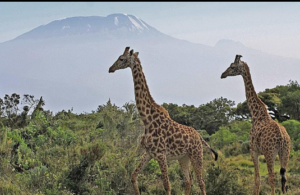
- Giraffes
- Zebras
- Hippos and crocodiles
- Greater and lesser kudus
- Sable and roan antelopes
- Jackals and other smaller predators
Elephant sightings are a major attraction. Herds may move between woodland and river systems, particularly during dry months. Ruaha’s lions are also famous, and guides track their movements using experience, signs, and recent reports.
Wild dogs range over large territories, making them unpredictable. A longer stay improves your chances, but no ethical operator should promise a sighting. Leopards are similarly elusive and require patience.
Birdwatching in Ruaha
Ruaha is outstanding for birdwatchers. Its position between eastern and southern ecological zones contributes to exceptional diversity. Depending on the season and habitat, you may see hornbills, kingfishers, bee-eaters, rollers, eagles, vultures, herons, storks, and many smaller species.
The green season is especially attractive because migrant species are present and many birds display breeding plumage. Travelers with a strong birding interest should request a guide who is experienced in identification and bird behavior.
Safari Activities in Ruaha
Game Drives
Game drives are the main activity. A private vehicle provides flexibility over departure time, route, and how long you remain at sightings. Morning drives are good for cooler temperatures and active predators, while afternoon drives offer warm light and activity near water.
Walking Safaris
Some camps offer guided walking safaris under authorized arrangements. Walking shifts attention from large animals to tracks, plants, insects, birds, and the relationships within the ecosystem. Availability, age restrictions, and safety rules vary by camp and season.
Night Drives
Night activities may be available in permitted areas through approved operators. They can reveal nocturnal wildlife that is rarely seen during daylight. Confirm availability before booking because rules and operating areas may change.
Cultural and Historical Experiences
Road itineraries through Iringa can include cultural or historical stops, depending on time. These additions help travelers understand the region beyond wildlife. A responsible visit should be locally guided and respectful rather than staged solely for tourists.
Where to Stay in Ruaha
Ruaha offers accommodation ranging from practical camps to highly exclusive safari lodges.
Budget and Adventure Camping
Camping can reduce costs and create a close-to-nature experience. Facilities vary considerably, so ask whether the arrangement uses public campsites, special campsites, or permanent tents. Confirm bathroom facilities, bedding, meals, charging access, and whether a private chef is included.
Mid-Range Tented Camps
Mid-range camps normally offer proper beds, private bathrooms, and full-board meals. They provide comfort while preserving a classic safari atmosphere. Location matters: a lower nightly price may not be good value if long transfers reduce game-viewing time.
Luxury Camps and Lodges
Luxury properties focus on privacy, personalized service, excellent locations, and spacious rooms or tents. Packages may include game drives, selected drinks, laundry, and additional activities, but inclusions differ.
When comparing quotes, do not consider room category alone. Check the property’s location, transfer arrangements, park fees, vehicle setup, guide service, meals, and included activities.
Fly-In Safari or Road Safari: Which Is Better?
A fly-in safari saves time and is ideal for shorter holidays. It also combines easily with Zanzibar. The disadvantages are higher transport costs, luggage restrictions, and dependency on flight schedules.
A road safari can be more affordable and reveals more of Tanzania. It works well for travelers who enjoy overland journeys and want to include Mikumi or Iringa. The disadvantage is the long travel time.
Choose a fly-in safari when:
- You have fewer than six days
- You are combining Ruaha with Zanzibar
- Comfort and time efficiency are priorities
- Your budget allows domestic flights
Choose a road safari when:
- You have at least seven or eight days
- You want a broader Southern Circuit experience
- You enjoy scenic overland travel
- You are sharing private vehicle costs with companions
Some of the best itineraries use a combination: travel one direction by road and fly the other.
Combining Ruaha with Other Tanzania Destinations
Ruaha and Nyerere National Park
This is a classic Southern Circuit pairing. Ruaha offers baobab woodland and strong predator viewing, while Nyerere adds broad river landscapes and a different safari atmosphere. Flying between parks keeps the itinerary efficient.
Ruaha and Mikumi National Park
Mikumi is convenient for road itineraries from Dar es Salaam. Its open landscape is accessible and provides a useful first or final safari stop.
Ruaha and Zanzibar
A Ruaha-and-Zanzibar holiday balances wildlife adventure with beach relaxation. Travelers often begin with safari and finish at the coast, although the reverse order also works. Allow sufficient connection time between domestic and international flights.
Ruaha and Serengeti
It is possible to combine Tanzania’s southern and northern safari regions, but flying is usually essential. This combination suits travelers with a generous budget and at least ten to fourteen days. A rushed itinerary will spend too much time in transit.
What Is Included in a Ruaha Safari Package?
Inclusions vary, so every quotation should be checked carefully. A typical private package may include:
- Safari vehicle and professional driver-guide
- Park entry and concession-related fees listed in the quotation
- Accommodation and meals according to the itinerary
- Drinking water during game drives
- Airport or airstrip transfers stated in the program
- Scheduled game drives
- Domestic flights when specifically listed
Possible exclusions include international flights, visas, travel insurance, tips, premium drinks, personal purchases, optional activities, and medical expenses.
Ask whether the price is per person or total, whether it is based on double occupancy, and whether any supplements apply for solo travelers or holiday periods.
How Much Does a Ruaha Safari Cost?
There is no single fixed price. The total depends on:
- Number of travelers
- Travel season
- Number of nights
- Road or air transport
- Accommodation category
- Private or shared service
- Park and concession fees
- Optional activities
- Domestic flight availability
A private road safari becomes more economical per person when vehicle costs are shared. Fly-in trips are usually more expensive but save valuable time. Luxury camps may price game drives and transfers into a full package, while other properties separate these items.
Request an itemized quotation and compare like with like. A cheaper offer may omit flights, park fees, transfers, or accommodation inside the most useful area.
Planning a Family Safari in Ruaha
Ruaha can be excellent for families, particularly those with older children who enjoy wildlife and nature. Private vehicles allow flexible stops and a pace suited to the family.
Parents should consider driving distances, heat, meal schedules, and age restrictions for walking safaris. Some camps have minimum age policies or may not accept very young children. Family rooms are limited, so early booking is wise.
Pack familiar snacks, sun protection, light clothing, a warm layer, and quiet activities for transfers. Encourage children to use a wildlife checklist or journal to make game drives more engaging.
Ruaha for Honeymooners and Couples
The park’s quiet atmosphere makes it a strong honeymoon choice. Couples can select small camps with private decks, romantic dinners, and fewer rooms. A four-night stay avoids the rushed feeling of a short visit.
Tell the operator if the trip celebrates a honeymoon, anniversary, engagement, or birthday. Camps may arrange a special table, cake, room decoration, or private experience, subject to availability and possible charges.
Ruaha Photography Safari Tips
For photography, book a private vehicle whenever possible. This allows you to choose the best side of a sighting and remain longer when animal behavior is developing.
Useful planning points include:
- Ask for a vehicle with an open or pop-up viewing configuration
- Bring spare batteries and memory cards
- Carry a dust cover and cleaning equipment
- Use a beanbag for lens support
- Request early departures for soft light
- Avoid changing lenses in dusty conditions
- Tell the guide your photographic priorities
Ethical photography is essential. Never pressure a guide to crowd an animal, block its path, go off-road illegally, or disturb a hunt.
What to Pack for Ruaha
Pack light, neutral-colored, breathable clothing. Include:
- Comfortable shirts and trousers
- Warm fleece or jacket for early mornings
- Hat and sunglasses
- Sunscreen and insect repellent
- Closed shoes
- Binoculars
- Camera equipment
- Personal medication
- Reusable water bottle if desired
- Soft-sided luggage for small aircraft
Avoid camouflage clothing, which may be restricted or inappropriate. Bright white items show dust quickly, while dark blue and black can attract biting insects in some safari environments. Check the luggage allowance for every domestic flight.
Health, Safety, and Travel Insurance
Consult a qualified travel-health professional before departure because recommendations depend on your health history, route, and current guidance. Carry prescribed medication in original packaging and bring enough for the full trip.
Comprehensive travel insurance is strongly recommended. It should cover medical treatment, emergency evacuation, trip interruption, lost luggage, and activities included in your itinerary.
Inside the park, follow the guide’s instructions. Never leave the vehicle without permission, feed animals, or walk around camp after dark without an escort where one is required.
Responsible Travel in Ruaha
Choose operators and camps that respect park rules, employ local staff fairly, manage waste responsibly, and support conservation or nearby communities. Keep a respectful distance from animals and avoid guides who chase wildlife for a photograph.
Reduce disposable plastic where practical, refill water bottles when safe systems are provided, and take batteries or difficult waste home for appropriate disposal. Cultural interactions should be based on dignity, consent, and genuine local benefit.
Booking Tips for Ruaha Tours
Book early for the dry season and festive periods, especially if you want a particular camp. Before paying a deposit, confirm:
- Exact travel dates and number of guests
- Accommodation names and room categories
- Meal plan
- Vehicle type and whether it is private
- Flight sectors and luggage limits
- Park fees and taxes included
- Pickup and drop-off points
- Cancellation and amendment terms
- Payment schedule and card or bank charges
- Emergency contact procedure
Share dietary restrictions, allergies, medical considerations, mobility needs, and special occasions before arrival. Clear communication helps the operator design a safer and more enjoyable trip.
Final Thoughts
The best Tanzania safari itinerary Ruaha tours combine enough time in the park with realistic travel logistics. A four-day fly-in safari works well for a short holiday, while a seven- or eight-day road itinerary creates a richer Southern Circuit adventure. Travelers who stay at least three nights, choose accommodation in a practical location, and use an experienced guide are more likely to appreciate Ruaha’s scale and character.
Ruaha is not a destination to rush. Its appeal lies in patient game viewing, wild scenery, quiet tracks, and the possibility of remarkable encounters without a crowd of vehicles. Plan carefully, allow flexibility, and the park can become one of the most memorable parts of a Tanzania safari.
Ready to Plan Your Ruaha Safari?
Contact Kilipath African Safaris for a personalized Ruaha itinerary based on your dates, group size, preferred comfort level, and departure point. We can help arrange a private vehicle, professional guide, accommodation, park fees, domestic flights, airport transfers, and combinations with Zanzibar, Nyerere, Mikumi, Serengeti, or Ngorongoro.
Share your travel dates and priorities to receive a customized Tanzania safari itinerary designed around your time and budget.