A Tanzania safari itinerary vacation is one of the best ways to experience Africa’s extraordinary wildlife, beautiful landscapes, diverse national parks, and traditional cultures. Tanzania offers everything from the endless plains of Serengeti National Park to the wildlife-filled Ngorongoro Crater, the elephant-rich landscapes of Tarangire National Park, and the scenic environment around Lake Manyara.
Planning the right safari itinerary is very important because Tanzania is a large country and the major safari destinations are located at different distances from each other. A good itinerary should give you enough time for wildlife viewing without spending too many hours driving from one destination to another.
Whether you are planning a short 3-day safari, a classic 5-day safari, or a longer 7- to 10-day Tanzania vacation, your itinerary can be customized according to your budget, travel dates, preferred accommodation, and wildlife interests.
What Is a Tanzania Safari Itinerary Vacation?
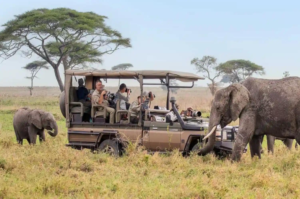
A Tanzania safari itinerary vacation is a planned journey through one or more wildlife destinations in Tanzania. Most safari itineraries include transportation in a 4×4 safari vehicle, national park entrance fees, accommodation, meals, drinking water, and the services of a professional safari guide.
Your itinerary explains where you will travel each day, which national parks you will visit, where you will stay overnight, and approximately how much time you will spend on game drives.
For example, a typical Northern Circuit safari may include:
- Tarangire National Park
- Serengeti National Park
- Ngorongoro Crater
- Lake Manyara National Park
- Arusha
Travelers with more time may also include Northern Serengeti, Lake Natron, Lake Eyasi, Ndutu, Materuni Waterfalls, or a Zanzibar beach holiday after the safari.
Why Tanzania Is Perfect for a Safari Vacation
Tanzania is one of Africa’s leading safari destinations because it contains several internationally famous national parks and conservation areas.
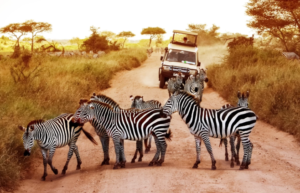
The country is especially popular for the Serengeti ecosystem and the Great Wildebeest Migration. Millions of wildebeest, zebras, and gazelles move through different parts of the Serengeti ecosystem throughout the year in search of fresh grass and water.
However, Tanzania offers much more than the migration.
Travelers may encounter lions, elephants, leopards, cheetahs, buffaloes, giraffes, hippos, crocodiles, hyenas, zebras, wildebeest, antelopes, and hundreds of bird species.
A well-designed Tanzania safari itinerary therefore gives travelers the opportunity to experience different landscapes and wildlife habitats during the same vacation.
How Many Days Do You Need for a Tanzania Safari?
The ideal safari length depends on your available time and the destinations you want to visit.
2-Day Tanzania Safari
A 2-day safari is suitable for travelers with very limited time.
A common itinerary may include:
Day 1: Arusha to Tarangire National Park
Day 2: Ngorongoro Crater and return to Arusha
This option provides a short introduction to Tanzania’s wildlife but does not normally allow enough time to include Serengeti comfortably.
3-Day Tanzania Safari
A 3-day safari gives travelers more flexibility.
One possible itinerary is:
Day 1: Arusha to Tarangire
Day 2: Ngorongoro Crater
Day 3: Lake Manyara and return to Arusha
Another popular choice may combine Serengeti and Ngorongoro.
This itinerary is suitable for travelers who want to experience major wildlife attractions within a short vacation.
4-Day Tanzania Safari
A 4-day safari is one of the most popular options.
A typical itinerary may be:
Day 1: Arusha to Tarangire National Park
Day 2: Tarangire or Karatu to Serengeti National Park
Day 3: Serengeti game drive and transfer toward Ngorongoro
Day 4: Ngorongoro Crater and return to Arusha
This itinerary allows visitors to experience three of Tanzania’s most famous safari destinations.
5-Day Tanzania Safari
A 5-day Tanzania safari gives travelers additional time for game viewing.
Example:
Day 1: Tarangire National Park
Day 2: Serengeti National Park
Day 3: Full-day Serengeti safari
Day 4: Ngorongoro Conservation Area
Day 5: Ngorongoro Crater and return to Arusha
The biggest advantage of a 5-day safari is having more time inside Serengeti National Park.
6-Day Tanzania Safari
A 6-day safari is excellent for travelers who want a more relaxed schedule.
A possible route may include:
Day 1: Tarangire
Day 2: Serengeti
Day 3: Full-day Serengeti
Day 4: Serengeti to Ngorongoro
Day 5: Ngorongoro Crater
Day 6: Lake Manyara and return to Arusha
The additional day reduces the need to rush between parks.
7-Day Tanzania Safari Vacation
A 7-day safari is one of the best choices for travelers looking for a complete Northern Tanzania experience.
It may include Tarangire, Central Serengeti, Ngorongoro, Lake Manyara, and additional cultural or nature activities.
Travelers visiting during the migration season may also use the additional days to explore different sections of Serengeti National Park.
Best Tanzania Safari Itinerary for First-Time Visitors
For first-time visitors, one of the best itineraries is:
Arusha → Tarangire → Serengeti → Ngorongoro → Arusha
This route combines some of Tanzania’s strongest wildlife destinations while keeping the itinerary relatively straightforward.
Tarangire National Park
Tarangire is often the first destination on a Northern Tanzania safari.
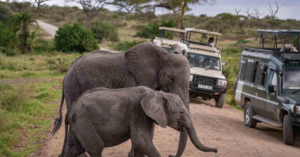
The park is famous for its large elephant populations, ancient baobab trees, beautiful savannah landscapes, and the Tarangire River.
During the dry season, the river becomes an important water source, attracting many animals to the surrounding area.
Travelers may see elephants, giraffes, zebras, wildebeest, lions, buffaloes, antelopes, warthogs, and many bird species.
Tarangire is particularly enjoyable for travelers interested in elephant photography.
Serengeti National Park
Serengeti is usually the highlight of a Tanzania safari itinerary vacation.
The park is famous for its endless plains and exceptional predator sightings. Lions, cheetahs, leopards, hyenas, elephants, buffaloes, giraffes, wildebeest, zebras, and many other species live within the Serengeti ecosystem.
The landscape changes depending on the area you visit.
Central Serengeti is popular throughout the year because of its strong resident wildlife population.
Northern Serengeti becomes particularly important during the migration season when wildebeest herds move toward the Mara River.
Southern Serengeti and the wider Ndutu region become important during the calving season.
Because Serengeti is very large, travelers who have enough time should normally spend at least two nights in the area.
Ngorongoro Crater
Ngorongoro Crater provides a completely different safari experience.
The crater is the remains of an ancient volcanic caldera and contains a remarkable concentration of wildlife.
During a crater game drive, visitors may see lions, elephants, buffaloes, zebras, wildebeest, hippos, hyenas, gazelles, and many other animals.
The crater is also one of the places where travelers may have a chance of seeing the endangered black rhinoceros.
Game drives usually descend onto the crater floor in the morning before exploring different wildlife areas inside the caldera.
Lake Manyara National Park
Lake Manyara is smaller than Serengeti or Tarangire but provides a different environment.
The park contains groundwater forests, open plains, wetlands, and lake ecosystems.
Wildlife may include elephants, giraffes, buffaloes, zebras, monkeys, hippos, antelopes, and numerous bird species.
Lake Manyara is often added to longer Tanzania safari itineraries because its location makes it easy to combine with Tarangire and Ngorongoro.
Tanzania Safari Itinerary for the Great Migration
Travelers interested in the Great Wildebeest Migration should plan their itinerary according to the approximate location of the herds.
The migration is a natural wildlife movement, so exact sightings can never be guaranteed. However, safari itineraries can be designed around seasonal patterns.
December to March
During this period, large numbers of wildebeest are generally associated with the Southern Serengeti and Ndutu ecosystem.
January and February are particularly famous for the calving period.
Thousands of wildebeest calves may be born within a relatively short period, which can also attract predators such as lions, cheetahs, and hyenas.
A migration-focused itinerary during this period may include:
Arusha → Tarangire → Ndutu → Ngorongoro → Arusha.
June to July
The herds generally continue moving toward the western and northern areas of the Serengeti.
Wildlife distribution depends heavily on rainfall and available grass.
July to October
Northern Serengeti becomes particularly popular because travelers may have opportunities to witness Mara River crossings.
During these crossings, large groups of wildebeest may enter the river while crocodiles and other dangers create one of Africa’s most dramatic wildlife spectacles.
For travelers specifically interested in river crossings, a longer private safari is normally recommended because Northern Serengeti is far from Arusha and Central Serengeti.
Tanzania Safari Accommodation Options
Accommodation has a major influence on the overall safari price and experience.
Budget Camping Safari
Budget camping is usually the most affordable option.
Travelers stay in tents at public campsites near or inside national parks. Camping safaris can provide a very adventurous and authentic experience.
They are particularly popular with younger travelers, backpackers, students, and guests who prefer spending their budget on wildlife experiences rather than luxury accommodation.
Mid-Range Safari
Mid-range safaris normally use comfortable lodges or tented camps.
Rooms usually have proper beds and private bathrooms, while many properties also provide restaurants, lounges, gardens, and scenic views.
This category is one of the most popular choices because it offers a good balance between comfort and price.
Luxury Safari
Luxury safari itineraries include premium lodges, luxury tented camps, higher levels of personalized service, and often exceptional locations.
Some luxury properties are located inside or very close to national parks, allowing travelers to reduce transfer times and maximize safari experiences.
Private Safari vs Shared Safari
Travelers can normally choose between private and shared safari arrangements.
Private Tanzania Safari
A private safari provides a dedicated safari vehicle and professional guide for your group.
The main advantage is flexibility.
You can normally spend more time at wildlife sightings, adjust departure times, include special activities, and customize the itinerary according to your interests.
Private safaris are particularly suitable for:
- Couples
- Honeymooners
- Families
- Photographers
- Small groups
- Travelers interested in migration areas
- Guests wanting a flexible itinerary
Shared Safari
A shared safari allows several travelers to travel together in one safari vehicle.
This can significantly reduce the cost because vehicle and guide expenses are shared between participants.
The itinerary usually follows a fixed route and schedule.
Shared safaris are especially suitable for solo travelers and budget-conscious visitors.
What Is Included in a Tanzania Safari Itinerary?
Safari inclusions vary between operators and packages, but a Tanzania safari commonly includes:
- 4×4 safari transportation
- Professional safari guide
- National park entrance fees
- Accommodation
- Meals during the safari
- Drinking water
- Game drives
- Government taxes and conservation fees
Some packages may also include airport transfers, accommodation before or after safari, domestic flights, soft drinks, or additional activities.
Travelers should always read their final itinerary carefully before making payment.
Optional Activities to Add to Your Safari Vacation
Several additional activities can make a Tanzania vacation more memorable.
Serengeti Hot Air Balloon Safari
A balloon safari provides an aerial view of the Serengeti landscape.
The activity usually begins early in the morning before sunrise.
After approximately one hour in the air, guests normally land in the bush and enjoy breakfast.
A balloon safari is especially popular with honeymooners, photographers, and travelers celebrating special occasions.
Maasai Cultural Experience
Travelers may visit a Maasai community to learn about traditional lifestyles, livestock culture, homes, clothing, songs, and ceremonies.
The quality of cultural visits varies, so responsible and respectful experiences should always be prioritized.
Materuni Waterfalls and Coffee Tour
Materuni Village is located near Mount Kilimanjaro.
Visitors can hike to Materuni Waterfalls and participate in a traditional coffee-making experience.
This activity can be added before or after a safari.
Zanzibar Beach Extension
One of the most popular Tanzania vacation combinations is:
Safari + Zanzibar
After several days of wildlife viewing, travelers can fly to Zanzibar for beach relaxation, snorkeling, diving, cultural tours, or visits to Stone Town.
This combination works especially well for honeymoons and longer holidays.
Best Time for a Tanzania Safari Vacation
Tanzania is a year-round safari destination, but different periods offer different experiences.
June to October
This is generally the dry season in many safari areas.
Wildlife often gathers around water sources, vegetation becomes thinner, and game viewing can be excellent.
Northern Serengeti is also particularly popular during parts of this period because of the Great Migration.
December to March
This period is particularly interesting for Southern Serengeti and Ndutu.
The calving season attracts travelers interested in wildebeest herds, newborn animals, and predator activity.
April and May
These months are associated with heavier rainfall in many regions.
Some roads may become more difficult, but landscapes are green and visitor numbers are usually lower.
It can also be an attractive period for travelers looking for a quieter safari atmosphere.
What Should You Pack for a Tanzania Safari?
Safari packing should focus on comfort and practicality.
Useful items include:
- Lightweight neutral-colored clothing
- Comfortable walking shoes
- Hat
- Sunglasses
- Sunscreen
- Insect repellent
- Light jacket
- Camera
- Extra camera batteries
- Binoculars
- Personal medication
- Small backpack
- Travel documents
Morning and evening temperatures can sometimes feel cool, especially around Ngorongoro, so carrying a warm layer is recommended.
Tanzania Safari for Photographers
A Tanzania safari is excellent for wildlife photography.
Photographers should consider booking a private safari because it offers greater flexibility.
Your guide can position the vehicle according to lighting, animal movement, and photography needs.
Photographers may also prefer spending additional nights in Serengeti instead of changing destinations every day.
A longer itinerary gives you better opportunities to wait for animal behavior rather than simply photographing animals quickly before continuing to the next destination.
Tanzania Safari for Families
Tanzania can also be an excellent family safari destination.
Private safaris are often recommended for families because departure times, meal stops, and game-drive duration can be adjusted according to children.
Families should avoid overly rushed itineraries.
A schedule with two or three nights in selected destinations may be more comfortable than changing accommodation every night.
Tanzania Safari for Honeymooners
A Tanzania safari combined with Zanzibar is one of Africa’s most popular honeymoon experiences.
Couples can enjoy private game drives, luxury tented camps, romantic dinners, hot air balloon safaris, and beautiful wilderness scenery.
After the safari, they can continue to Zanzibar for several days of beach relaxation.
A typical honeymoon itinerary may be:
Arusha → Tarangire → Serengeti → Ngorongoro → Zanzibar.
How Much Does a Tanzania Safari Vacation Cost?
The cost of a Tanzania safari depends on several factors.
These include:
- Number of safari days
- Private or shared safari
- Accommodation category
- Number of travelers
- National parks included
- Season
- Domestic flights
- Additional activities
- Migration destinations
- Airport transfers
Budget camping safaris are normally more affordable, while luxury lodge safaris and private migration itineraries cost significantly more.
Traveling as a couple, family, or group can sometimes reduce the per-person cost of a private safari because vehicle expenses are divided between more travelers.
How to Choose the Best Tanzania Safari Itinerary
Do not choose a safari itinerary only because it includes many destinations.
A safari with too many parks in too few days may involve long drives and limited wildlife viewing.
Instead, consider:
- How many days you have.
- Which animals or experiences matter most to you.
- Your travel month.
- Your accommodation preference.
- Your budget.
- Whether you want private or shared safari.
- Whether you want to include Zanzibar.
- Whether migration viewing is important.
A well-balanced itinerary usually provides a better experience than an itinerary that simply tries to include every national park.
The perfect Tanzania safari itinerary vacation should combine excellent wildlife viewing with realistic travel times, comfortable accommodation, and enough time to enjoy each destination.
For first-time visitors, combining Tarangire National Park, Serengeti National Park, and Ngorongoro Crater is one of the strongest safari routes available.
Travelers with additional time can add Lake Manyara, Northern Serengeti, Ndutu, cultural experiences, Mount Kilimanjaro activities, or a Zanzibar beach extension.
Whether you choose a budget camping safari, comfortable mid-range lodge safari, or luxury private vacation, Tanzania provides an extraordinary combination of wildlife, landscapes, culture, and adventure.
The most important part of planning your safari is selecting an itinerary that matches your travel season, available days, budget, and personal interests rather than simply trying to visit as many destinations as possible.