Planning a safari in Tanzania is exciting, but deciding where to go, how many days to spend, and which type of package to book can feel overwhelming. Tanzania has several world-famous national parks, different safari circuits, numerous accommodation options, and wildlife experiences that vary according to the season.
A carefully designed Tanzania safari package Tanzania itinerary combines the right destinations, comfortable accommodation, reliable transportation, professional guiding, and enough time for meaningful wildlife viewing. The best itinerary should not simply include as many parks as possible. It should create a comfortable journey that allows you to appreciate each destination without spending your entire holiday driving between locations.
Tanzania is home to the Serengeti National Park, Ngorongoro Crater, Tarangire National Park, Lake Manyara National Park, Nyerere National Park, Ruaha National Park, and several lesser-known wildlife areas. Travelers can choose anything from a short two-day safari to an extended two-week journey that combines wildlife, cultural experiences, Mount Kilimanjaro, and Zanzibar.
This complete guide explains how Tanzania safari packages work, the best destinations to include, recommended itinerary lengths, accommodation choices, travel seasons, estimated costs, and important planning considerations.
What Is a Tanzania Safari Package?
A Tanzania safari package is a prearranged travel program that brings together the essential services required for a wildlife safari. Instead of organizing park permits, vehicles, guides, accommodation, meals, and transfers separately, travelers receive one organized itinerary and quotation.
Most safari packages include:
- Transportation in a 4×4 safari vehicle
- A professional English-speaking safari guide
- National park entrance fees
- Ngorongoro conservation and crater service fees when applicable
- Accommodation during the safari
- Meals mentioned in the itinerary
- Drinking water during game drives
- Airport or hotel transfers when specified
- Government taxes and tourism levies
- Game drives and scheduled safari activities
However, inclusions can differ between safari operators. Travelers should always examine the quotation carefully to understand whether domestic flights, international flights, visas, travel insurance, gratuities, alcoholic drinks, optional activities, and airport transfers are included.
At Kilipath African Safaris, every itinerary can be designed according to the traveler’s available time, preferred accommodation category, budget, interests, arrival point, and departure arrangements.
Why Choose Tanzania for an African Safari?
Tanzania offers one of the most complete wildlife experiences in Africa. Its protected areas contain a remarkable variety of landscapes, from open grasslands and volcanic craters to baobab forests, river systems, mountains, and remote wilderness.
Exceptional wildlife diversity
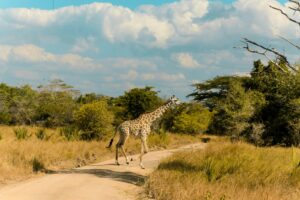
Tanzania provides opportunities to see lions, elephants, leopards, cheetahs, buffaloes, giraffes, zebras, wildebeest, hippos, crocodiles, hyenas, and numerous antelope species. The country is also home to more than 1,000 recorded bird species, making it an excellent destination for birdwatchers.
The Big Five—lion, leopard, elephant, buffalo, and rhinoceros—can be encountered during a well-planned Northern Circuit safari. Sightings are never guaranteed because the animals are wild, but experienced guides understand wildlife behavior and know the areas where different species are regularly observed.
The Great Wildebeest Migration
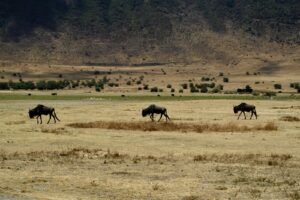
The Serengeti supports the Great Wildebeest Migration, one of the largest movements of land animals in the world. Huge herds of wildebeest and zebras move through the Serengeti ecosystem in search of fresh grass and water.
The location of the herds changes throughout the year. A suitable migration itinerary must therefore be based on the travel month rather than using the same route in every season.
Different safari circuits
Tanzania gives travelers several safari regions to choose from:
- The Northern Circuit
- The Southern Circuit
- The Western Circuit
- The coastal and island extensions
The Northern Circuit is the most popular because it includes Serengeti, Ngorongoro, Tarangire, and Lake Manyara. The Southern and Western circuits offer more remote wilderness and fewer safari vehicles.
Safari and beach combinations
After a wildlife safari, travelers can fly to Zanzibar for a beach holiday. This combination provides an excellent balance between adventurous game drives and relaxation beside the Indian Ocean.
Understanding Tanzania’s Safari Circuits
Choosing the correct safari circuit is one of the most important parts of preparing a Tanzania safari itinerary.
Northern Tanzania Safari Circuit
The Northern Circuit is the most frequently visited safari region in Tanzania. It is easily accessible from Arusha and includes several internationally recognized destinations.
Serengeti National Park
Serengeti National Park is famous for its extensive plains, large predator population, and the Great Migration. Its ecosystem is divided into several wildlife regions.
Central Serengeti
Central Serengeti, particularly the Seronera Valley, offers productive wildlife viewing throughout the year. Permanent water sources attract many animals, while rocky kopjes provide resting and observation areas for lions.
Visitors may encounter:
- Lions
- Leopards
- Cheetahs
- Elephants
- Giraffes
- Buffaloes
- Hippos
- Hyenas
- Zebras
- Wildebeest
Central Serengeti is suitable for first-time travelers because it combines diverse scenery with dependable wildlife viewing.
Southern Serengeti and Ndutu
The southern plains and Ndutu region are most famous for the wildebeest calving season. Large herds usually gather in this ecosystem during the greener months, particularly between approximately December and March.
Thousands of calves are born during a relatively short period. This abundance of young animals attracts lions, cheetahs, leopards, and hyenas. Travelers interested in calving and predator action should consider an itinerary with at least two or three nights in the southern ecosystem.
Northern Serengeti
Northern Serengeti is known for the Mara River and seasonal river-crossing activity. During the dry-season migration period, herds may cross crocodile-populated rivers while moving between Tanzania and Kenya.
River crossings are natural events and cannot be scheduled or guaranteed. Travelers should allow several nights in Northern Serengeti to improve their chances of witnessing migration activity.
Western Serengeti
The Western Corridor includes the Grumeti River and surrounding woodland. Migration herds generally move through this part of the ecosystem during part of their annual journey.
The area offers a different landscape from the open southern plains, along with opportunities to observe crocodiles, hippos, elephants, and predators.
Ngorongoro Crater
Ngorongoro Crater is one of Tanzania’s most remarkable wildlife destinations. The crater was formed after the collapse of an ancient volcano, creating a large natural basin surrounded by steep walls.
Its grasslands, forests, swamps, and freshwater areas support a high concentration of animals. During a crater game drive, travelers may see lions, buffaloes, elephants, hippos, zebras, wildebeest, hyenas, and several antelope species.
The crater is also one of the better places in Tanzania to look for the endangered black rhinoceros. However, sightings depend on distance, weather, vegetation, and the animals’ location.
Most itineraries include one game drive inside the crater. Accommodation can be arranged on the crater rim or in nearby Karatu. Crater-rim lodges provide convenient access and impressive views, while Karatu generally offers a wider range of accommodation prices.
Tarangire National Park
Tarangire National Park is known for its baobab trees, elephant population, and the Tarangire River. During the dry season, the river becomes an essential water source and attracts wildlife from the surrounding ecosystem.
The park is particularly rewarding for travelers interested in:
- Elephant families
- Baobab landscapes
- Lions
- Giraffes
- Zebras
- Wildebeest
- Birdwatching
- Less crowded game-drive routes
Tarangire is approximately a few hours from Arusha, depending on traffic and the exact departure point. It is commonly included at the beginning or end of a Northern Circuit safari.
Lake Manyara National Park
Lake Manyara National Park is located beneath the escarpment of the Great Rift Valley. Although smaller than Serengeti and Tarangire, it contains several habitats within a compact area.
The park features groundwater forest, open plains, acacia woodland, marshes, and the lakeshore. Wildlife may include elephants, giraffes, buffaloes, baboons, hippos, zebras, and various bird species.
Lake Manyara is sometimes associated with tree-climbing lions, although seeing them is not guaranteed. The park is often included in itineraries lasting five days or longer.
Lake Eyasi
Lake Eyasi is a cultural destination rather than a traditional wildlife park. It is known for opportunities to learn about the Hadzabe and Datoga communities.
A respectfully organized visit may include:
- Learning about traditional hunting and gathering
- Joining a morning walk with Hadzabe community members
- Observing traditional metalworking
- Learning about local customs and survival skills
- Visiting village households with permission
Cultural experiences should be approached with respect. They should encourage genuine interaction and support the participating communities rather than treating local people as tourist attractions.
Lake Natron
Lake Natron is a remote and dramatic destination near the border with Kenya. It is surrounded by volcanic scenery and lies below Ol Doinyo Lengai, a mountain considered sacred by the Maasai.
Activities around Lake Natron may include:
- Walking near the lakeshore
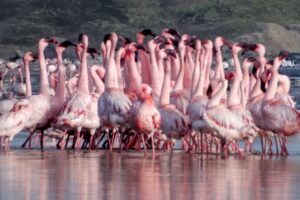
- Flamingo observation
- Visiting waterfalls
- Cultural interaction with Maasai communities
- Viewing Ol Doinyo Lengai
- Photography of the unusual landscape
The road to Lake Natron can be rough, so the destination requires additional travel time. It is best added to a longer itinerary rather than included in a rushed safari.
Southern Tanzania Safari Circuit
The Southern Circuit is ideal for travelers seeking remote wilderness, fewer vehicles, and a quieter atmosphere.
Nyerere National Park
Nyerere National Park is one of Africa’s largest protected wilderness areas. The Rufiji River creates lakes, channels, and wetlands that support a wide variety of wildlife.
Depending on the lodge and season, visitors may enjoy:
- Traditional vehicle game drives
- Boat safaris
- Guided walking safaris
- Birdwatching
- Hippo and crocodile viewing
- Elephant and predator sightings
Boat safaris are a major attraction because they provide a different perspective from standard vehicle-based wildlife viewing.
Ruaha National Park
Ruaha National Park is known for its rugged wilderness, baobab landscapes, elephants, lions, and limited visitor numbers. It is an excellent destination for experienced safari travelers or anyone who values privacy and remote landscapes.
Ruaha is less convenient to reach by road than the Northern Circuit parks. Many visitors use scheduled or chartered flights, particularly when combining Ruaha with Nyerere or Zanzibar.
Mikumi National Park
Mikumi is among the more accessible parks in Southern Tanzania. Its open plains provide opportunities to see giraffes, elephants, buffaloes, zebras, lions, and antelopes.
It can be visited as part of a road safari from Dar es Salaam or combined with nearby destinations.
Western Tanzania Safari Circuit
Western Tanzania offers some of the country’s most remote and specialized wildlife experiences.
Mahale Mountains National Park
Mahale Mountains National Park lies beside Lake Tanganyika and is best known for chimpanzee trekking. Reaching the park usually requires flights and boat transfers, making it more expensive than a traditional Northern Circuit safari.
The experience combines forest trekking, mountain scenery, and relaxation beside one of the world’s deepest lakes.
Katavi National Park
Katavi is an isolated wilderness with relatively few visitors. During the dry season, wildlife concentrates around shrinking rivers and pools. The park can provide dramatic sightings of buffaloes, hippos, crocodiles, elephants, and predators.
A Western Circuit itinerary is normally recommended for repeat safari travelers, photographers, and visitors with a larger budget and more time.
How Many Days Are Best for a Tanzania Safari?
The ideal length depends on the destinations, travel style, budget, and season. Although short safaris are possible, spending more days generally produces a more relaxed experience.
Two-Day Tanzania Safari Itinerary
A two-day safari is suitable for travelers with limited time. A common route includes:
Day 1: Arusha to Tarangire National Park
Leave Arusha in the morning and drive to Tarangire. Spend the day exploring the park before continuing to accommodation near Karatu or Mto wa Mbu.
Day 2: Ngorongoro Crater to Arusha
Travel to Ngorongoro early in the morning, descend into the crater for a game drive, and return to Arusha later in the day.
This itinerary provides two excellent wildlife destinations, but it does not include Serengeti because the driving distance would make the program too rushed.
Three-Day Tanzania Safari Itinerary
A three-day itinerary may focus on Serengeti and Ngorongoro.
Day 1: Arusha to Serengeti
Drive through the Ngorongoro Conservation Area toward Serengeti. Enjoy wildlife viewing after entering the national park.
Day 2: Serengeti to Ngorongoro area
Begin with a morning game drive in Serengeti. Continue toward the Ngorongoro area in the afternoon.
Day 3: Ngorongoro Crater to Arusha
Descend into the crater in the morning, enjoy a game drive, and return to Arusha.
This is a fast itinerary with considerable driving. It is appropriate for travelers who strongly want to see Serengeti but have only three days.
Four-Day Tanzania Safari Itinerary
A four-day package offers a better balance and is one of the most popular options.
Day 1: Arusha to Tarangire National Park
Drive to Tarangire for a full or extended game drive. Continue to your lodge or campsite for dinner and overnight.
Day 2: Tarangire area to Serengeti
Travel through the Ngorongoro highlands and continue to Serengeti. Wildlife viewing begins along the route and continues inside the park.
Day 3: Serengeti to Ngorongoro
Enjoy a morning game drive in Central Serengeti. After lunch, drive toward the Ngorongoro Conservation Area.
Day 4: Ngorongoro Crater to Arusha
Descend into the crater early, explore its varied habitats, and return to Arusha after the game drive.
This itinerary includes three major destinations without adding unnecessary stops.
Five-Day Tanzania Safari Itinerary
A five-day itinerary allows more wildlife-viewing time and can include Lake Manyara.
Day 1: Arusha to Tarangire National Park
Day 2: Tarangire area to Serengeti
Day 3: Full-day Serengeti game drive
Day 4: Serengeti to Ngorongoro
Day 5: Ngorongoro Crater and return to Arusha
Alternatively, Lake Manyara can be visited on the first or final day. However, keeping a full day in Serengeti is usually more rewarding than rushing through four parks.
Seven-Day Tanzania Safari Itinerary
Seven days provide a more comfortable pace and greater flexibility.
Day 1: Arusha to Tarangire
Explore Tarangire’s baobab woodlands and river ecosystem.
Day 2: Tarangire to Serengeti
Travel through the changing landscapes of the Ngorongoro Conservation Area and enter Serengeti.
Day 3: Full-day Central Serengeti
Search for predators and explore the Seronera Valley.
Day 4: Another full day in Serengeti
Visit a different area of the park or follow seasonal wildlife movements.
Day 5: Serengeti to Ngorongoro
Enjoy a morning game drive before traveling toward Ngorongoro.
Day 6: Ngorongoro Crater
Descend into the crater for an extended game drive and continue to Karatu.
Day 7: Lake Manyara and return to Arusha
Explore Lake Manyara before returning to Arusha.
A seven-day program can also be customized to include Lake Eyasi, Lake Natron, Northern Serengeti, Ndutu, or an additional night in Tarangire.
Ten-Day Tanzania Safari Itinerary
A ten-day package is suitable for travelers who want a detailed and unhurried journey. It may include:
- Tarangire National Park
- Lake Manyara
- Lake Eyasi
- Ngorongoro Crater
- Central Serengeti
- Northern or Southern Serengeti
- Cultural activities
- A walking safari
- Several nights in key wildlife areas
Longer itineraries allow travelers to remain in important locations rather than constantly changing accommodation. This is especially valuable for photographers and migration-focused visitors.
Private Safari or Shared Group Safari?
Your choice between a private and shared safari will influence the price, comfort, and flexibility of your itinerary.
Private Tanzania safari
A private safari gives your party exclusive use of the safari vehicle and guide.
Advantages include:
- Flexible departure times
- More control over game-drive duration
- Freedom to focus on preferred animals
- Easier photography arrangements
- Greater privacy
- More accommodation choices
- Better flexibility for families and honeymooners
- Ability to visit destinations outside standard group routes
A private safari is particularly suitable for families with young children, couples celebrating a honeymoon, photographers, travelers with mobility needs, and guests visiting Northern Serengeti or remote destinations.
Shared group safari
A shared safari allows travelers to join other guests in the same vehicle. It is generally more affordable because transport and guiding costs are divided among participants.
Shared tours normally follow fixed routes and schedules. Travelers may have limited control over departure times, accommodation, and the duration spent at individual sightings.
At Kilipath African Safaris, shared safaris use 4×4 vehicles with pop-up roofs, and each guest receives a window seat. Group size and route details should be confirmed before booking.
Tanzania Safari Accommodation Options
Accommodation has a major effect on the overall safari price.
Camping safari
Public camping is one of the most economical ways to explore Tanzania. Guests sleep in tents at designated campsites, usually with shared toilet and shower facilities.
Camping packages may include tents, mattresses, sleeping bags, meals, a safari chef, and campsite fees. Camping brings travelers close to nature, but it requires a sense of adventure and realistic expectations about comfort.
Budget accommodation
Budget lodges and permanent tented camps provide basic rooms or tents, private or shared bathrooms, meals, and essential services. They are suitable for travelers who want more comfort than camping while controlling expenses.
Mid-range accommodation
Mid-range lodges and tented camps usually provide private bathrooms, comfortable beds, restaurants, electricity, and attractive natural settings. This category offers a strong balance between comfort and cost.
Luxury accommodation
Luxury safari properties may provide spacious suites, high-quality dining, beautiful locations, personalized service, swimming pools, private decks, and additional activities.
Prices can vary considerably depending on location and season. A luxury camp deep inside Serengeti will normally cost more than a lodge outside a national park.
Best Time to Book a Tanzania Safari Package
Tanzania can be visited throughout the year, but different seasons produce different experiences.
June to October
These are generally drier months in many safari areas. Vegetation becomes thinner, and animals often gather near water sources. The period is popular for general wildlife viewing and seasonal migration activity in Northern Serengeti.
Because demand is high, accommodation and flights should be reserved well in advance.
November and December
Short rains may begin during this period. Landscapes become greener, birdlife is excellent, and some properties offer lower seasonal rates. Rainfall is often intermittent rather than continuous.
January to March
This is a popular period for visiting the southern Serengeti and Ndutu ecosystem. It is particularly attractive for travelers interested in wildebeest calving, newborn animals, and predator activity.
April and May
These are traditionally wetter months. Some remote camps close temporarily, and certain roads may become challenging. However, the scenery is green, parks are quieter, and selected lodges may offer reduced rates.
Weather patterns can change from one year to another, so no month can guarantee completely dry or wet conditions.
How Much Does a Tanzania Safari Package Cost?
The price of a Tanzania safari depends on several factors:
- Number of safari days
- Private or shared vehicle
- Accommodation category
- Travel season
- Number of participants
- Parks included
- Domestic flights
- Optional activities
- Arrival and departure arrangements
- One-way or return transfers
- Special dietary or guiding requirements
Traveling with several people on a private safari can reduce the price per person because vehicle expenses are shared. Solo travelers generally pay more because they cover a larger portion of the vehicle and room costs.
When comparing quotations, do not consider the total price alone. Confirm whether park fees, crater fees, meals, taxes, transfers, accommodation, and drinking water are included. A lower quotation may exclude services that must be paid for later.
Optional Activities for a Tanzania Safari Itinerary
A Tanzania safari can include more than traditional vehicle game drives.
Serengeti balloon safari
A balloon safari usually begins before sunrise. Guests fly above the Serengeti plains and enjoy an aerial view of the landscape before landing for breakfast.
The activity must be booked in advance and depends on weather and operational conditions.
Maasai cultural visit
A well-organized Maasai visit can introduce travelers to local traditions, livestock practices, family life, songs, dances, and community projects.
Travelers should choose responsible cultural programs that respect privacy and provide meaningful benefits to the host community.
Hadzabe and Datoga experience
Lake Eyasi visits allow travelers to learn about the Hadzabe hunter-gatherer community and Datoga craftspeople. An overnight stay near Lake Eyasi is normally necessary because activities often begin early in the morning.
Walking safari
Walking safaris are available in selected protected areas and private concessions. They are led by qualified guides and, where required, armed rangers.
Walking provides opportunities to learn about plants, animal tracks, insects, birds, and the smaller details that can be missed from a vehicle.
Night game drive
Night drives are offered in selected areas. They provide chances to observe nocturnal animals and experience the bush after sunset. This activity is not permitted in every national park, so it must be arranged in an authorized location.
Zanzibar extension
A Zanzibar holiday can be added after the safari. Visitors can relax on beaches, explore Stone Town, visit spice farms, take boat excursions, or enjoy snorkeling and diving.
Tanzania Safari Packing List
Travelers should pack lightly, particularly when using domestic flights or joining a shared safari.
Recommended items include:
- Lightweight neutral-colored clothing
- A warm jacket for early mornings and evenings
- Comfortable closed shoes
- Sandals for the lodge or campsite
- Sun hat
- Sunglasses
- Sunscreen
- Insect repellent
- Camera and spare batteries
- Binoculars
- Personal medication
- Reusable water bottle
- Small flashlight
- Power bank
- Travel documents
- Soft-sided travel bag
- Rain jacket during wetter months
Avoid excessively bright clothing during game drives. Dark blue and black clothing may attract tsetse flies in certain areas. Camouflage clothing can also be restricted or considered inappropriate in some destinations.
Important Tanzania Safari Planning Tips
Spend enough time in Serengeti
Serengeti is large, and reaching it requires considerable driving unless you fly. Staying at least two nights provides a more rewarding experience than entering the park briefly and leaving the following morning.
Do not include too many destinations
An itinerary containing many parks is not automatically better. Constant transfers can reduce game-viewing time and make the journey exhausting.
Choose accommodation according to the route
Staying inside or close to a park can reduce driving time. However, accommodation outside protected areas may be more affordable. A safari specialist can help balance convenience and cost.
Arrive before your safari begins
Whenever possible, spend one night in Arusha before starting the safari. International flight delays, immigration procedures, and missing luggage can disrupt an itinerary scheduled immediately after arrival.
Purchase travel insurance
Comprehensive travel insurance should cover medical treatment, evacuation, trip interruption, delayed baggage, cancellation, and activities included in the itinerary.
Communicate dietary requirements early
Vegetarian, vegan, gluten-free, halal, allergy-sensitive, and other meal requirements should be communicated before the safari begins. This allows lodges and camping teams to prepare properly.
Understand that wildlife is unpredictable
Professional guides use their experience to locate wildlife, but no ethical operator can guarantee a specific animal, hunting event, or river crossing. The uncertainty is part of an authentic wildlife experience.
Why Plan Your Safari With Kilipath African Safaris?
Kilipath African Safaris creates customized Tanzania safari packages for solo travelers, couples, honeymooners, families, friends, photographers, and private groups.
Our safari planning approach considers:
- Your available travel dates
- The number and ages of travelers
- Your preferred accommodation standard
- Your estimated budget
- Wildlife and cultural interests
- Seasonal animal movements
- Arrival and departure locations
- Domestic and international flight schedules
- Desired level of privacy and flexibility
Our safaris use 4×4 Toyota Land Cruisers with pop-up roofs for wildlife viewing and photography. Travelers are accompanied by knowledgeable guides who understand the parks, wildlife behavior, road conditions, and the importance of responsible tourism.
Whether you need a short budget safari, a private family journey, a honeymoon itinerary, a migration-focused adventure, or a combined Tanzania and Zanzibar holiday, the program can be adjusted to match your requirements.
Final Thoughts
Choosing the right Tanzania safari package Tanzania itinerary requires more than selecting a list of national parks. A successful safari should consider travel distances, seasonal wildlife locations, accommodation quality, park fees, game-drive time, and the personal interests of every traveler.
Short itineraries can provide an excellent introduction to Tarangire and Ngorongoro. Four- and five-day packages make it possible to add Serengeti, while seven to ten days provide a more relaxed and complete experience. Travelers interested in the Great Migration, photography, remote wilderness, or cultural experiences should consider a customized private itinerary.
Kilipath African Safaris can help you compare routes and create a safari that suits your dates, budget, accommodation preference, and travel style. Contact our safari team with your preferred travel dates and number of guests to begin designing your Tanzania adventure.