Skip to content

A Tarangire safari Ngorongoro trip is one of the best short safari combinations in northern Tanzania. It brings together two dramatically different destinations: Tarangire National Park, known for elephants, baobab trees, and a wild river valley, and the Ngorongoro Crater, famous for its dense concentration of animals inside an ancient volcanic caldera.
This route is ideal for travelers who have limited time but still want a rewarding Tanzania wildlife experience. It works well as a two-day express safari, a more comfortable three-day trip, or part of a longer northern circuit itinerary that includes Serengeti National Park and Lake Manyara.
Why Combine Tarangire and Ngorongoro?
Tarangire and Ngorongoro complement each other. Tarangire offers an open, exploratory game-drive experience across woodland, river, and savannah habitats. Ngorongoro provides a concentrated wildlife-viewing experience within the crater floor.
On the same trip, travelers may see elephants beneath giant baobab trees, lions resting in the grass, giraffes moving through acacia woodland, hippos in pools, and large herds grazing on the crater floor. Although wildlife sightings are never guaranteed, the variety of habitats makes this combination especially rewarding.
The route is also practical. Both destinations can be reached by road from Arusha, and the town of Karatu provides convenient accommodation between the parks.
Tarangire National Park Highlights
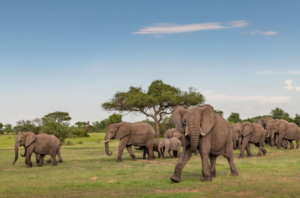
Tarangire is often recognized for its large elephant population. Family groups regularly gather near the Tarangire River, particularly during the dry season when water becomes scarce elsewhere. The park’s baobab trees create one of the most distinctive landscapes on Tanzania’s northern circuit.
Animals commonly seen include elephants, giraffes, zebras, wildebeest, buffaloes, impalas, warthogs, and several antelope species. Predators such as lions, leopards, cheetahs, and hyenas also live in the park, but their movements vary.
Birdwatchers can enjoy an impressive variety of species in the woodlands, wetlands, and riverine areas. Travelers should avoid wearing black or dark blue when possible because tsetse flies can be attracted to these colors.
Ngorongoro Crater Highlights
The Ngorongoro Crater is the world’s largest intact, unfilled volcanic caldera and a UNESCO World Heritage Site. Its crater floor includes open grassland, woodland, marshes, freshwater areas, and a soda lake.
The descent from the crater rim is an experience in itself. Once inside, visitors may encounter wildebeest, zebras, buffaloes, gazelles, elephants, hippos, hyenas, and lions. The crater is also one of Tanzania’s better places to search for the endangered black rhinoceros, although sightings cannot be promised.
The crater rim can be cold, misty, and windy, especially early in the morning. A warm jacket is useful even when the lower safari areas are hot.
Recommended Two-Day Itinerary
Day 1: Arusha to Tarangire National Park
Leave Arusha early in the morning and drive to Tarangire National Park. After registration, begin a game drive through the park’s baobab-dotted landscape. Explore the Tarangire River area and other wildlife-rich habitats, stopping for lunch at an appropriate picnic location.
Continue the afternoon game drive before traveling to Karatu or the Ngorongoro highlands for dinner and an overnight stay. Depending on the selected package, accommodation may be at a lodge, tented camp, or public campsite.
Day 2: Ngorongoro Crater and Return to Arusha
After an early breakfast, drive to the Ngorongoro Conservation Area and descend into the crater. Spend the morning exploring the crater floor and looking for its diverse wildlife.
After a picnic lunch, ascend the crater wall and return to Arusha. Arrival is usually in the late afternoon or early evening, depending on road conditions, game-viewing time, and the final drop-off point.
This itinerary is efficient, but it involves early mornings and several hours of driving. Travelers wanting a slower pace should consider three days.
Recommended Three-Day Itinerary
Day 1: Arusha to Tarangire
Travel from Arusha to Tarangire for a game drive and picnic lunch. Spend the night near Tarangire, in Karatu, or in the Ngorongoro highlands.
Day 2: Tarangire or Cultural Experience
Enjoy another morning game drive or add a cultural visit, nature walk, or relaxed transfer toward Karatu. The exact activity should be confirmed in advance because park rules, travel time, and additional fees may apply.
Day 3: Ngorongoro Crater to Arusha
Enter the conservation area early, descend into the crater, and enjoy a game drive before returning to Arusha later in the day.
The three-day version provides more breathing room and may offer better value for families, photographers, and travelers who prefer not to rush.
Private Safari or Shared Safari?
A shared safari is normally more affordable because vehicle costs are divided among travelers. Guests join other participants in a 4×4 safari vehicle and follow a fixed program. Kilipath African Safaris limits shared groups to a maximum of seven travelers per Land Cruiser, with a window seat for each guest.
A private safari provides a dedicated vehicle and guide. Departure times, stops, and the pace of game viewing can be adjusted more easily. It is a strong choice for families, honeymooners, photographers, and travelers with special interests.
Shared safaris usually operate in English. Private tours may be arranged with guides speaking French, German, Italian, or Spanish, subject to availability.
Camping, Mid-Range, or Luxury Accommodation?
Camping is the most economical style. Public campsites generally provide shared toilet and shower facilities. On an organized camping safari, tents, sleeping equipment, meals, and a safari chef may be included.
Mid-range lodges and tented camps offer private rooms or permanent tents, beds, and private bathrooms. They are popular with travelers seeking comfort without the price of a premium lodge.
Luxury accommodation may include larger rooms, elevated service, scenic locations, and refined dining. The best category depends on budget, desired comfort, and availability on the selected dates.
Always check the exact property names and room arrangements before paying a deposit.
Best Time for a Tarangire Safari Ngorongoro Trip
The route can be visited throughout the year. Each season creates a different experience.
From approximately June to October, conditions are generally drier. Animals in Tarangire often gather around dependable water sources, and vegetation can be less dense. These months are popular, so early booking is recommended.
From November to May, the landscape is usually greener, birdlife is excellent, and seasonal showers are possible. The wetter months can produce beautiful scenery and fewer vehicles in some areas. March, April, and May may experience heavier or more persistent rain, while conditions vary from year to year.
Ngorongoro remains a productive wildlife destination in every season, though the rim is often cool and clouds or mist may reduce visibility temporarily.
What Is Included in a Typical Package?
A standard package commonly includes transport in a 4×4 Land Cruiser with a pop-up roof, an English-speaking safari guide, park and conservation fees, meals listed in the itinerary, drinking water, and the selected accommodation.
Some packages also include airport transfers, a hotel in Arusha before or after the safari, soft drinks, camping equipment, and a safari chef. International flights, visas, travel insurance, tips, alcoholic drinks, personal expenses, and optional activities are commonly excluded unless specifically stated.
Request a written inclusion and exclusion list because packages differ between operators.
What Vehicle Is Used?
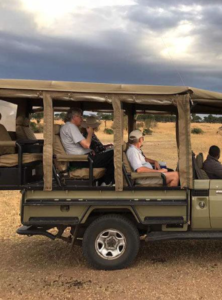
Most northern Tanzania safaris use a customized 4×4 Land Cruiser with a pop-up roof. The raised roof allows guests to stand safely during suitable game-viewing stops while remaining inside the vehicle.
Kilipath safari vehicles may include charging sockets, a cooler or refrigerator, seatbelts, first-aid equipment, and a radio for guide communication. Binoculars may be shared, but photographers and keen birdwatchers should bring their own.
What to Pack
Pack light, breathable clothing in neutral colors; a warm jacket for Ngorongoro; comfortable closed shoes; a sunhat; sunglasses; sunscreen; insect repellent; personal medication; a reusable water bottle; and a camera with spare batteries.
Soft-sided luggage is easier to place inside a safari vehicle than large hard-shell suitcases. Travelers taking domestic flights should confirm the airline’s current baggage rules before departure.
Meals and Dietary Requirements
Safari meals may include hot lunches or packed picnic lunches, depending on the itinerary and operating arrangements. Drinking water is normally supplied during the safari.
Vegetarian, vegan, halal, allergy-sensitive, and other dietary requirements can often be accommodated when communicated before the trip. Travelers with serious allergies should provide clear written details and carry appropriate medication.
Can Children Join This Safari?
Yes. The short route can work well for families because it avoids the longer drive to the Serengeti. However, parents should consider early departures, extended time in the vehicle, and limited freedom to walk inside wildlife areas.
A private safari is often the most comfortable choice for families because stops and meal times can be adjusted. Ask about child rates, appropriate accommodation, child seats, and room configurations before booking.
How Much Does the Trip Cost?
The price depends on the number of travelers, private or shared service, accommodation category, season, included transfers, and park-fee structure. A camping group safari is generally the least expensive, while a private luxury trip costs more.
The most useful quotation is an itemized one showing the total price, accommodation names, fees, transport, meals, transfers, payment schedule, and cancellation terms. Because government and supplier charges can change, request a quote for your exact travel dates rather than relying on an old online price.
Book Your Tarangire and Ngorongoro Safari
A well-planned Tarangire safari Ngorongoro trip delivers two classic Tanzania landscapes in a compact itinerary. Tarangire offers elephants, baobabs, and a beautiful river ecosystem, while Ngorongoro provides remarkable wildlife viewing within a dramatic volcanic setting.
Kilipath African Safaris can arrange shared or private departures, camping or lodge accommodation, airport transfers, dietary support, and custom extensions. To receive an accurate proposal, send your travel dates, number of adults and children, preferred accommodation level, arrival and departure details, and whether you want a private or shared safari.
Suggested call to action: Contact Kilipath African Safaris today for a personalized Tarangire and Ngorongoro safari quotation.