Choosing an experienced group Ngorongoro Crater safari operator is one of the easiest ways to explore Tanzania’s most remarkable wildlife destination without paying the full cost of a private safari. A group safari allows travelers to share a specially equipped safari vehicle, professional guide and transportation expenses while still enjoying an authentic African wildlife experience.
Kilipath African Safaris organizes carefully planned group safaris to Ngorongoro Crater for solo travelers, couples, friends and small families. Our trips are designed to provide comfortable transportation, knowledgeable guiding, generous wildlife-viewing time and straightforward pricing.
Ngorongoro Crater is famous for its extraordinary concentration of wildlife. During a single game drive, visitors may encounter lions, elephants, buffaloes, zebras, wildebeest, hippos, hyenas and numerous bird species. The crater is also one of the best places in Tanzania to look for the rare black rhinoceros.
Whether you want a short two-day adventure or a longer Northern Circuit safari, joining a group tour can make your Tanzania experience more affordable, enjoyable and social.
Why Visit Ngorongoro Crater?
Ngorongoro Crater is the largest intact volcanic caldera in the world and one of Tanzania’s most celebrated natural attractions. It forms part of the Ngorongoro Conservation Area, a protected landscape situated between the Serengeti and Lake Manyara.
The crater was created when a massive volcano collapsed millions of years ago. Today, its floor covers approximately 260 square kilometres and contains grasslands, forests, wetlands and a permanent lake. These different habitats support a remarkable variety of animals throughout the year.
Unlike destinations where animals move away during certain seasons, the crater has permanent water and grazing areas. This means wildlife viewing remains rewarding during both the dry and wet seasons.
The steep crater walls create a natural enclosure, although animals can still move in and out. Thousands of large mammals live on the crater floor, making it possible to see many species within a relatively small area.
Why Choose a Group Ngorongoro Crater Safari?
A group safari is designed for travelers who want a professionally organized wildlife experience at a more accessible price. Instead of paying for an entire safari vehicle, guests share transportation and guiding costs with other participants.
The main advantages include:
More Affordable Safari Prices
Safari vehicles, fuel, conservation fees and professional guides represent a considerable part of the total safari cost. Sharing these expenses allows each participant to pay less than they would on a private trip.
A group safari is particularly suitable for solo travelers who would otherwise carry the entire cost of a vehicle themselves.
A Social Travel Experience
Group safaris bring together travelers from different countries and backgrounds. Sharing wildlife sightings, meals and conversations can become an enjoyable part of the journey.
Many participants begin the safari as strangers and finish it as friends. The group setting is friendly, but guests still have opportunities to relax and enjoy the landscape quietly.
Professional Organization
An established group Ngorongoro Crater safari operator handles the important arrangements, including park registration, transportation, meals, accommodation and guiding.
This removes much of the uncertainty involved in planning the trip independently. Travelers can concentrate on enjoying the wildlife while the operator manages the logistics.
Excellent Wildlife Viewing
Joining a group does not reduce the quality of the destination. Participants explore the same crater floor, follow the same game-drive routes and have opportunities to observe the same wildlife as travelers on private safaris.
The main difference is that the vehicle and guide are shared with other guests.
Why Choose Kilipath African Safaris?
Kilipath African Safaris is a Tanzania-based safari company with local knowledge of Ngorongoro Crater and the wider Northern Circuit. We understand that a successful safari depends on more than transportation. It requires thoughtful planning, reliable communication and guides who genuinely understand wildlife and traveler expectations.
When you book with us, you receive:
- A well-maintained safari vehicle with a pop-up viewing roof
- A professional English-speaking safari guide
- A window seat for every traveler
- Carefully selected accommodation or camping arrangements
- Park and conservation-fee coordination
- Drinking water during the safari
- Planned meals according to the itinerary
- Assistance before, during and after your trip
- Flexible options for extending your safari
- Transparent information about inclusions and exclusions
Our group safaris normally operate with a maximum of seven guests in a safari vehicle. Keeping groups relatively small helps every traveler enjoy better views and communicate easily with the guide.
What to Expect on a Ngorongoro Group Safari
A Ngorongoro group safari usually begins in Arusha, the main gateway to Tanzania’s Northern Safari Circuit. Depending on the itinerary, travelers may visit Tarangire National Park, Serengeti National Park or Lake Manyara before reaching Ngorongoro.
Guests travel in a four-wheel-drive safari vehicle designed for wildlife viewing. The vehicle has a raised pop-up roof, allowing passengers to stand safely and take photographs during game drives.
On the morning of the crater tour, the group travels to the crater entrance and descends approximately 600 metres to the floor. The road offers impressive views of the caldera before reaching the open plains below.
The game drive normally lasts several hours. The exact route depends on wildlife movements, road conditions and information shared among guides. A professional guide will search for animals while explaining their behavior, habitats and relationship with the ecosystem.
Lunch is generally enjoyed at a designated picnic site. After the game drive, the vehicle climbs out of the crater and continues toward Arusha or the next destination in the itinerary.
Wildlife You May See in Ngorongoro Crater
The crater contains one of Africa’s highest concentrations of large animals. Although wildlife sightings can never be completely guaranteed, Ngorongoro offers consistently rewarding game drives.
Lions
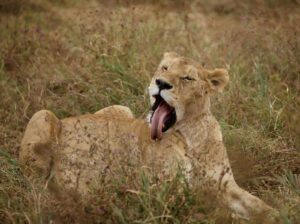
Lions are regularly seen resting on the grasslands, walking near safari vehicles or watching herds of prey. The crater supports several resident prides, and visitors may occasionally observe hunting or social behavior.
Black Rhinoceroses
Ngorongoro is one of Tanzania’s most important habitats for the endangered black rhinoceros. Sightings often occur at a distance, so binoculars are helpful.
Our guides understand the areas where rhinoceroses are frequently observed, but their movements remain natural and unpredictable.
Elephants
Large bull elephants may be encountered near Lerai Forest, where they feed among the trees. Family herds are less commonly seen on the crater floor, but elephant sightings remain a memorable possibility.
Wildebeest and Zebras
Large numbers of wildebeest and zebras graze across the open plains. These animals form an important part of the crater ecosystem and provide prey for lions and hyenas.
Buffaloes
African buffaloes are common throughout the crater. They may be found in large herds on the grasslands or near water and forested areas.
Hippos
Hippos live in the crater’s pools and wetlands. The picnic area near Ngoitoktok Springs is a popular location for observing them in the water.
Hyenas
Spotted hyenas are among the crater’s most successful predators. Visitors may see them searching for food, resting beside the road or interacting with lions.
Birdlife
Ngorongoro is also an excellent birdwatching destination. Depending on the season, travelers may see flamingos, crowned cranes, kori bustards, ostriches, raptors and waterbirds.
Suggested Group Ngorongoro Safari Itineraries
Kilipath African Safaris can include Ngorongoro Crater in several group safari programs. Your best choice will depend on your available time, budget and preferred destinations.
Two-Day Tarangire and Ngorongoro Safari
This short itinerary is suitable for travelers with limited time.
Day 1: Arusha to Tarangire National Park
Depart Arusha in the morning and drive to Tarangire National Park. Enjoy a game drive among its baobab trees, river valleys and seasonal wildlife concentrations.
Tarangire is especially famous for elephants, although visitors may also see giraffes, zebras, wildebeest, lions and many bird species. After the game drive, travel to your accommodation or campsite near the Ngorongoro Conservation Area.
Day 2: Ngorongoro Crater to Arusha
After an early breakfast, travel to Ngorongoro and descend to the crater floor. Enjoy a game drive with time to search for lions, buffaloes, hippos, zebras and rhinoceroses.
After lunch and further wildlife viewing, ascend from the crater and return to Arusha.
Three-Day Serengeti and Ngorongoro Safari
This option combines the endless plains of Serengeti with the concentrated wildlife of Ngorongoro.
Day 1: Arusha to Serengeti National Park
Travel through the Ngorongoro highlands toward Serengeti National Park. Enter the park and enjoy an afternoon game drive before continuing to your campsite or lodge.
Day 2: Serengeti Game Drive
Spend the day exploring the central Serengeti. The area supports lions, leopards, cheetahs, elephants, giraffes and large populations of grazing animals.
Later, drive toward the Ngorongoro Conservation Area for dinner and an overnight stay.
Day 3: Ngorongoro Crater to Arusha
Descend into Ngorongoro Crater for a morning and early-afternoon game drive. After exploring the crater, return to Arusha.
Four-Day Tarangire, Serengeti and Ngorongoro Safari
A four-day group safari provides a more complete Northern Circuit experience. It normally includes one day in Tarangire, two days around Serengeti and a final game drive in Ngorongoro Crater.
This itinerary is suitable for travelers who want to experience contrasting landscapes without committing to a longer holiday.
Five-Day Northern Circuit Group Safari
A five-day itinerary may include Tarangire, Serengeti, Ngorongoro Crater and Lake Manyara. It provides more time for game drives and offers a broader introduction to northern Tanzania.
Travelers can experience elephant-rich Tarangire, predator-filled Serengeti, the natural enclosure of Ngorongoro and the forests and lake environment of Manyara.
Camping and Lodge Safari Options
Travelers can choose between camping, mid-range accommodation and, when available, mixed itineraries.
Group Camping Safari
Camping is usually the most economical choice. Guests sleep in private tents at public campsites, while toilets and showers are shared with other campsite visitors.
Camping equipment generally includes a tent, mattress, sleeping bag and pillow. A safari chef prepares meals for the group.
Public campsites provide an adventurous experience close to nature. Rangers and campsite staff are present, and guests receive instructions about moving safely around the camp.
Mid-Range Group Safari
A mid-range safari uses lodges or tented camps with private sleeping areas and bathroom facilities. This is a good choice for travelers who want additional comfort after a full day of wildlife viewing.
Availability and rates can change according to the season, particularly during peak travel months.
Mixed Accommodation Safari
Some group itineraries combine camping with lodge accommodation. This helps maintain an affordable price while providing additional comfort on selected nights.
When requesting a quotation, tell us your preferred comfort level so that we can recommend the most suitable option.
Best Time for a Group Ngorongoro Crater Safari
Ngorongoro Crater can be visited throughout the year. Each season creates a slightly different experience.
June to October
The dry season generally offers pleasant wildlife-viewing conditions. Vegetation is less dense, and animals are often easier to observe around permanent water sources.
These months are popular, so the crater may receive more visitors. Booking accommodation and safari places early is advisable.
November and December
Short rains usually bring fresh vegetation and clearer landscapes. Rain showers are often brief, and wildlife viewing can remain excellent.
January to March
This period offers green scenery, young animals and active predators. It also coincides with the broader calving season in the Ndutu region, making it a good time to combine Ngorongoro with southern Serengeti.
April and May
The long-rain season is quieter and can offer beautiful scenery. Roads may be wet or muddy, but the crater remains accessible under normal conditions.
Travelers who do not mind occasional rain may enjoy fewer vehicles and a more peaceful atmosphere.
What Is Included in a Group Ngorongoro Safari?
Exact inclusions depend on the selected itinerary, but a standard Kilipath African Safaris group package may include:
- Transportation in a four-wheel-drive safari vehicle
- Professional English-speaking guide
- Ngorongoro conservation and crater service fees
- National park entry fees listed in the itinerary
- Accommodation or camping arrangements
- Meals during the safari
- Drinking water
- Camping equipment for camping packages
- Services of a safari chef on camping trips
- Game drives described in the itinerary
- Pickup from a designated Arusha hotel
Travelers should check their individual quotation because accommodation, transfer arrangements and optional activities may differ.
What Is Usually Not Included?
Unless specifically listed in your quotation, the following items are normally excluded:
- International and domestic flights
- Tanzania visa fees
- Travel and medical insurance
- Alcoholic drinks and additional soft drinks
- Personal expenses
- Tips for the guide and safari chef
- Optional cultural visits
- Hot-air balloon safaris
- Airport transfers not stated in the itinerary
- Additional accommodation before or after the safari
We provide a detailed inclusion and exclusion list before confirmation so that travelers understand what they are booking.
Group Safari Versus Private Safari
Both group and private safaris provide access to Ngorongoro Crater, but they suit different travel styles.
A group safari is recommended if you:
- Want to reduce the total cost
- Enjoy meeting other travelers
- Are comfortable following a fixed itinerary
- Do not mind sharing a vehicle
- Are traveling alone or as a couple
A private safari may be better if you:
- Want complete control over the itinerary
- Prefer a private vehicle and guide
- Are traveling with children or a larger family
- Need a guide who speaks another language
- Want to spend longer at particular sightings
- Require a customized route or accommodation plan
If you are uncertain, Kilipath African Safaris can explain both options and help you compare them.
How Many People Join the Group?
Our group safari vehicles generally carry no more than seven travelers. Every guest receives a window seat, allowing everyone to enjoy clear views during the game drives.
Group sizes may be smaller depending on the departure date. We coordinate departures carefully and may work with trusted safari partners when combining travelers following the same route.
Regardless of the final group size, the itinerary, safety standards and agreed safari services remain important priorities.
Safari Vehicles and Comfort
The quality of the vehicle can significantly influence your safari experience. Kilipath African Safaris uses four-wheel-drive safari vehicles suitable for rough park roads.
The vehicles are equipped with:
- Pop-up roofs for wildlife viewing
- Individual window access
- Comfortable passenger seating
- Seatbelts
- Charging facilities
- A cooler or small refrigerator
- First-aid equipment
- Storage space for reasonable luggage
- Binoculars for shared wildlife viewing
Because luggage space is limited on group safaris, soft-sided bags are preferable to large hard-shell suitcases. Larger luggage can sometimes be stored safely in Arusha during the safari.
Food and Dietary Requirements
Meals are included according to the selected package. Camping safaris normally have a chef who prepares breakfast, lunch and dinner for the group.
Lunch during a game drive may be served as a picnic or hot meal, depending on the itinerary and operating arrangements.
Vegetarian food and other dietary preferences can usually be arranged when communicated in advance. Travelers with allergies or strict medical dietary needs should provide clear information before the trip begins.
Health and Safety
Visitors should arrange suitable travel insurance before leaving home. The policy should cover medical treatment, trip interruption and emergency evacuation.
Discuss recommended vaccinations and malaria precautions with a qualified travel-health professional. Advice may vary according to your medical history, countries previously visited and total time in Tanzania.
During the safari, always follow your guide’s instructions. Wild animals may appear calm, but they remain unpredictable. Guests should not leave the vehicle unless the guide confirms that it is safe and permitted.
At campsites, avoid walking alone after dark. Ask a member of staff or the guide for assistance when necessary.
What to Pack for Ngorongoro Crater
Ngorongoro’s rim can be cold, particularly during early mornings and evenings. The crater floor normally becomes warmer during the day, so layered clothing is practical.
Recommended items include:
- Lightweight, neutral-colored clothing
- A warm sweater, fleece or jacket
- Comfortable closed shoes
- Sun hat and sunglasses
- Sunscreen
- Personal medication
- Insect repellent
- Camera and spare batteries
- Binoculars
- Reusable water bottle
- Small day bag
- Rain jacket during wetter months
- Passport or identification
- Travel insurance information
Avoid overpacking, especially on a shared safari where luggage space must be divided among several travelers.
Responsible Travel in Ngorongoro
Ngorongoro is both a wildlife conservation area and a living cultural landscape. Maasai communities continue to live in parts of the wider conservation area.
Responsible visitors should respect local communities, follow conservation regulations and avoid disturbing animals. Never ask the guide to drive off authorized roads or approach wildlife too closely.
Do not leave litter inside the park. Reduce unnecessary plastic use and carry reusable items whenever possible.
When photographing local people, always ask for permission. Cultural visits should be arranged respectfully through appropriate guides or community programs.
How to Book Your Group Ngorongoro Safari
Booking with Kilipath African Safaris is straightforward.
Step 1: Send Your Travel Details
Tell us your preferred safari date, number of travelers, accommodation level and total number of available days.
Step 2: Receive a Suitable Itinerary
We will recommend a group safari based on your schedule and interests. You will receive an itinerary with the price, inclusions, exclusions and accommodation information.
Step 3: Review and Request Adjustments
Read the itinerary carefully and ask questions about any part of the trip. If necessary, we can recommend another option that better matches your budget.
Step 4: Confirm Your Reservation
Once you accept the itinerary, a deposit will be required to secure your booking. The deposit amount and payment conditions will be stated in your confirmation.
Step 5: Prepare for Tanzania
After confirmation, we can help with practical information about arrival times, luggage, accommodation, transfers and packing.
Book with a Trusted Group Ngorongoro Crater Safari Operator
Ngorongoro Crater offers one of the most rewarding wildlife experiences in Tanzania. Its dramatic landscape, resident animals and possibility of seeing several iconic African species make it an essential stop on the Northern Safari Circuit.
A group safari makes this destination accessible to travelers who want professional service without the higher cost of a private vehicle. By sharing the journey, you can experience Ngorongoro, meet other travelers and make better use of your safari budget.
Kilipath African Safaris is ready to help you select a suitable itinerary, understand the costs and prepare for your adventure. Contact us with your travel dates and preferred number of safari days, and we will provide an itinerary designed around your plans.