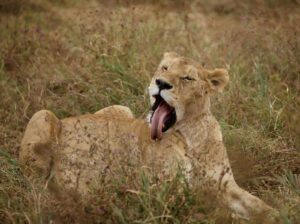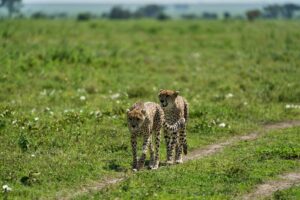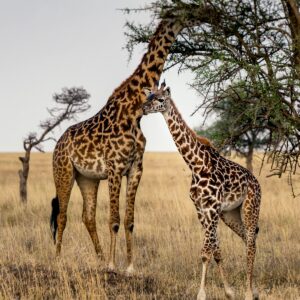
A photography Tanzania safari vacation is more than an opportunity to see Africa’s wildlife. It is a carefully planned journey that gives photographers the time, space, light, and professional guidance needed to capture meaningful images in some of the world’s most remarkable natural environments.
Tanzania offers extraordinary photographic diversity. Within one journey, you can photograph elephants beneath ancient baobab trees, lions resting on the Serengeti plains, flamingos around alkaline lakes, wildebeest crossing rivers, and the dramatic landscapes of the Ngorongoro Crater.
At Kilipath African Safaris, we organize personalized Tanzania photography safaris for professional photographers, enthusiastic beginners, couples, families, and private groups. Our itineraries can be adjusted around wildlife movements, preferred subjects, seasonal conditions, and individual photography goals.
Why Choose Tanzania for a Photography Safari?
Tanzania is one of Africa’s most rewarding wildlife photography destinations. Its protected areas contain an impressive variety of animals, birds, landscapes, and cultural experiences.
Unlike an ordinary sightseeing holiday, a photographic safari allows you to remain at productive wildlife locations for longer. Instead of moving quickly between sightings, you can wait for the right behavior, background, composition, and quality of light.
Tanzania is especially suitable for photography because it offers:
- Large populations of wild animals
- Excellent opportunities to photograph the Big Five
- Open landscapes with clear views
- Diverse habitats and scenery
- More than 1,000 recorded bird species
- The Great Wildebeest Migration
- Experienced professional safari guides
- Excellent sunrise and sunset conditions
- Wildlife viewing throughout the year
Whether you use a smartphone, compact camera, mirrorless camera, or professional DSLR, Tanzania provides endless opportunities to improve your portfolio.
Best Destinations for a Photography Tanzania Safari Vacation
Serengeti National Park
Serengeti National Park is the centerpiece of many Tanzania photography safaris. Its open plains, rocky kopjes, seasonal rivers, and abundant wildlife create excellent photographic conditions.
The Serengeti is famous for the Great Wildebeest Migration, during which enormous herds of wildebeest and zebras move through the ecosystem in search of fresh grazing and water. Depending on the season, photographers may capture calving, predator activity, large traveling herds, or dramatic river crossings.
The park is also one of Tanzania’s best locations for photographing lions, cheetahs, leopards, elephants, giraffes, hyenas, and numerous bird species.
The different regions offer distinctive experiences:
- Central Serengeti provides reliable wildlife viewing throughout the year.
- Northern Serengeti is famous for river-crossing opportunities from approximately July to October.
- Southern Serengeti and Ndutu are excellent during the calving season, particularly from January to March.
- Western Serengeti offers migration photography around the Grumeti region during certain months.
A private vehicle is particularly valuable in the Serengeti because it gives photographers greater control over positioning and the duration of each sighting.
Ngorongoro Crater
The Ngorongoro Crater is one of the most impressive natural settings in Tanzania. Its steep walls surround a wildlife-rich floor containing grasslands, wetlands, forests, and a soda lake.
The elevated viewpoints near the crater rim are excellent for landscape photography. After descending into the crater, visitors can photograph lions, buffaloes, zebras, wildebeest, hippos, elephants, hyenas, and, with good timing and some luck, black rhinos.
The crater floor can become busy, making an experienced guide especially important. A knowledgeable guide understands animal movement, vehicle positioning, light direction, and the best areas to visit at different times of day.
Tarangire National Park
Tarangire National Park is known for its large elephant population and magnificent baobab trees. The combination of wildlife and distinctive vegetation makes it one of the best places for environmental portraits.
During the dry season, animals gather around the Tarangire River, creating opportunities to photograph elephants, giraffes, zebras, antelopes, buffaloes, and predators.
The park is also outstanding for bird photography. Raptors, hornbills, rollers, bee-eaters, storks, and many other species can be observed throughout the year.
Lake Manyara National Park
Lake Manyara offers a different photographic environment from the open plains of the Serengeti. The park includes groundwater forest, woodland, wetlands, grassland, and views of the Great Rift Valley escarpment.
Photographic subjects may include elephants, monkeys, baboons, giraffes, hippos, waterbirds, and seasonal concentrations of flamingos. The dense vegetation can make photography more challenging, but it also creates opportunities for intimate images framed by branches and foliage.
Nyerere National Park
Nyerere National Park is an excellent choice for photographers interested in quieter wilderness areas. Its rivers, lakes, woodlands, and open plains support elephants, lions, wild dogs, hippos, crocodiles, giraffes, and numerous bird species.
One of Nyerere’s special advantages is the possibility of combining traditional game drives with boat safaris. Photographing wildlife from the water provides a lower perspective and opportunities to capture hippos, crocodiles, elephants, and birds along the riverbanks.
Ruaha National Park
Ruaha is ideal for photographers searching for remote landscapes and fewer safari vehicles. It is known for elephants, lions, leopards, buffaloes, wild dogs, antelopes, and dramatic baobab-covered scenery.
Its rugged wilderness creates powerful images that communicate the scale and atmosphere of wild Africa. Ruaha is particularly suitable for experienced photographers who value patience, exclusivity, and less crowded sightings.
Best Time for a Tanzania Photography Safari
Tanzania is a year-round photography destination, but each season produces different conditions and opportunities.
Dry Season: June to October
The dry season is widely considered one of the best periods for wildlife photography. Vegetation becomes thinner, animals gather near permanent water sources, and visibility generally improves.
This period is suitable for photographing:
- Elephants in Tarangire
- Predators across the Serengeti
- Large concentrations of wildlife
- Northern Serengeti river crossings
- Clear landscapes and golden grasslands
August and September are particularly popular for photography safaris focused on the Great Migration in Northern Serengeti. River crossings are natural events and cannot be guaranteed, but staying in the region for several nights increases the chances of witnessing migration activity.
Green Season: November to May
The green season brings fresh vegetation, dramatic skies, newborn animals, and excellent birdlife. Landscapes become more colorful, while clouds can create soft light and striking backgrounds.
This season is excellent for photographers who prefer:
- Lush scenery
- Migratory birds
- Fewer vehicles in some locations
- Dramatic cloud formations
- Calving and predator activity
- Lower seasonal accommodation rates
The short rains normally occur around November and December, while the longer rains are generally experienced from March to May. Rainfall patterns can vary, and showers often leave enough time for productive game drives.
Calving Season: January to March
The southern Serengeti and Ndutu region become particularly active during the calving period. Thousands of wildebeest give birth across the open plains, attracting lions, cheetahs, hyenas, and other predators.
This period offers opportunities to photograph newborn animals, family interactions, large herds, and dramatic predator-prey behavior.
Private Versus Shared Photography Safari
A shared safari can be affordable and enjoyable, but a private safari is generally the best choice for serious wildlife photography.
On a shared safari, travelers may have different interests. One person may want to remain with a pride of lions, while another may prefer to continue searching for elephants. Seating positions and space for photography equipment are also more limited.
A private photography safari provides:
- Greater control over the daily schedule
- More space for cameras and lenses
- Freedom to remain at sightings for longer
- Better vehicle positioning where regulations permit
- An itinerary based on specific photographic interests
- Flexible sunrise and afternoon game drives
- Easier communication with the guide
- Fewer passengers competing for shooting positions
Kilipath African Safaris can arrange a private vehicle for individuals, couples, families, or photography groups. Routes and accommodation can be customized according to comfort preferences and budget.
Safari Vehicles and Photography Equipment
Photography safaris are normally conducted in customized four-wheel-drive Land Cruisers with pop-up roofs. The raised roof allows guests to observe and photograph wildlife while remaining inside the vehicle.
Depending on the safari arrangement, vehicles may include:
- Window seating
- Charging sockets
- A cooler or refrigerator
- Storage space for camera equipment
- Seat belts
- Binoculars
- A first-aid kit
- Open roof access for photography
Photographers carrying large lenses should request additional space during the planning stage. Beanbags are often more practical than full tripods inside safari vehicles because they are easy to reposition and provide stable support on windows or roof edges.
Recommended Camera Equipment
The ideal equipment depends on your photography style, but a practical safari kit may include:
- A camera with reliable autofocus
- A telephoto lens such as 100–400mm or 200–600mm
- A medium-range zoom such as 70–200mm
- A wide-angle lens for landscapes
- Extra batteries
- Several memory cards
- A beanbag or compact camera support
- Lens-cleaning equipment
- Dust protection
- A laptop or portable backup device
- A rain cover
- A lightweight camera bag
A second camera body can be useful because it reduces the need to change lenses in dusty environments. However, it is not essential. Travelers can produce excellent photographs with one camera and a versatile zoom lens.
Practical Wildlife Photography Tips
Use the Available Light
Early mornings and late afternoons generally provide softer light, longer shadows, and warmer colors. Midday light can be harsh, but it may still work well for animal behavior, birds in flight, and high-contrast scenes.
Photograph Animal Behavior
A strong wildlife image tells a story. Watch for interaction between animals, hunting behavior, grooming, feeding, movement, eye contact, and family relationships.
Include the Environment
Close portraits are powerful, but wider photographs can show the animal’s habitat. A giraffe beneath an acacia tree or an elephant beside a baobab can communicate a stronger sense of place.
Keep Your Camera Ready
Wildlife behavior can change quickly. Confirm your basic camera settings before arriving at a sighting and keep your equipment within easy reach.
Listen to Your Guide
An experienced guide can read animal behavior and anticipate movement. Guides can also position the vehicle according to the direction of light and likely activity while following all national park regulations.
Respect Wildlife
The welfare of the animal must always come before the photograph. Avoid asking the driver to move too close, block an animal’s path, surround wildlife, or pressure an animal into changing its natural behavior.
Accommodation Options for Photography Safaris
A photography Tanzania safari vacation can be arranged with different accommodation styles.
Budget Camping
Public camping is suitable for adventurous photographers who want to spend more of their budget on park time and private transportation. Camping packages can include tents, mattresses, sleeping bags, meals, and support from a safari chef.
Tented Camps
Tented camps combine a close connection to nature with comfortable beds, private bathrooms, and dining facilities. Mobile and seasonal camps can place photographers near important migration areas.
Mid-Range Lodges
Mid-range lodges offer comfortable rooms, private bathrooms, restaurants, and convenient access to the parks. They provide a good balance between comfort and overall cost.
Luxury Lodges
Luxury accommodation may include spacious rooms, premium dining, swimming pools, private decks, and highly personalized service. Some luxury camps are located in remote areas with outstanding photographic access.
Choosing accommodation close to the main photography area can reduce driving time and make it easier to begin game drives early.
Sample Seven-Day Tanzania Photography Safari
Day 1: Arrival in Arusha
Arrive at Kilimanjaro International Airport or Arusha Airport and meet a Kilipath African Safaris representative. Transfer to your accommodation in Arusha for a safari briefing and equipment preparation.
Day 2: Arusha to Tarangire National Park
Travel to Tarangire for your first game drive. Photograph elephants, baobab trees, giraffes, antelopes, and colorful birds. Stay overnight near the park.
Day 3: Tarangire to Serengeti National Park
Drive toward the Serengeti through the beautiful Ngorongoro highlands. Enter the Serengeti and begin photographing its open landscapes and wildlife.
Day 4: Full-Day Serengeti Photography
Spend the day exploring productive wildlife areas. Your guide will focus on animal behavior, favorable light, and the subjects that interest you most.
Day 5: Second Full Day in Serengeti
Enjoy another full day in the Serengeti. Additional time improves your chances of observing special behavior and allows you to work patiently at selected sightings.
Day 6: Serengeti to Ngorongoro Conservation Area
Complete a final Serengeti game drive before traveling toward Ngorongoro. Photograph the changing landscapes and stay near the crater.
Day 7: Ngorongoro Crater and Return to Arusha
Descend into the Ngorongoro Crater for a morning game drive. After lunch, return to Arusha or continue to the airport according to your travel schedule.
This route can be modified to include Northern Serengeti, Ndutu, Lake Manyara, Lake Natron, Ruaha, or Nyerere.
Why Book with Kilipath African Safaris?
A successful photographic safari depends on more than visiting famous national parks. Timing, guiding, vehicle space, route planning, and accommodation location all influence the quality of the experience.
Kilipath African Safaris provides:
- Customized photography itineraries
- Knowledgeable English-speaking guides
- Private four-wheel-drive safari vehicles
- Flexible routes and accommodation categories
- Airport and hotel transfer assistance
- Carefully selected camps and lodges
- Support before and during the safari
- Options for solo travelers, couples, families, and groups
We take time to understand your interests. Whether you want to photograph big cats, elephants, birds, the Great Migration, landscapes, or Maasai culture, we can design a journey around your priorities.
Plan Your Photography Tanzania Safari Vacation
Tanzania rewards photographers who are prepared to slow down, observe, and wait for meaningful moments. Every game drive offers a different combination of light, wildlife, weather, and behavior.
Your journey may bring you face-to-face with a lion at sunrise, an elephant family crossing a dusty road, or thousands of wildebeest moving across the horizon. These are not simply photographs; they become lasting records of your connection with Tanzania’s wilderness.
Contact Kilipath African Safaris to begin planning your personalized photography Tanzania safari vacation. Share your travel dates, group size, preferred accommodation level, budget, and photography interests, and our team will prepare a suitable itinerary.