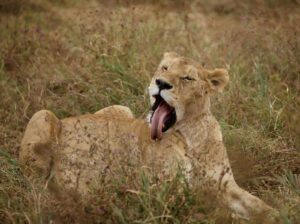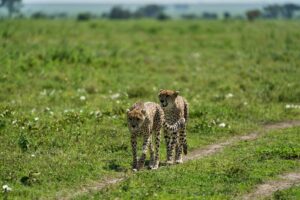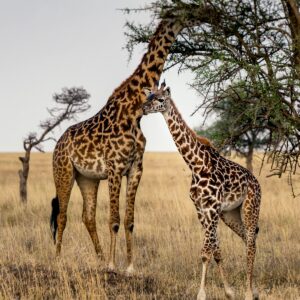
A Tanzania safari does not have to be an expensive luxury holiday. With a well-planned route, shared transportation, budget accommodation, and the right number of safari days, travelers can explore famous destinations such as Serengeti National Park, Ngorongoro Crater, Tarangire National Park, and Lake Manyara without exceeding their budget.
Choosing a cheap Tanzania safari cost itinerary does not mean accepting an unsafe or poorly organized experience. It means spending your money carefully while protecting the essential parts of the journey: a reliable safari vehicle, a professional guide, park entry fees, meals, accommodation, and enough time for wildlife viewing.
At Kilipath African Safaris, we organize affordable camping, mixed-accommodation, and lodge safaris for solo travelers, couples, families, students, and groups. Our itineraries can be adjusted according to your travel dates, preferred parks, accommodation level, and available budget.
This guide explains how much a budget Tanzania safari can cost, what is normally included, which itinerary offers the best value, and how you can reduce your expenses without missing Tanzania’s outstanding wildlife.
How Much Does a Cheap Tanzania Safari Cost?
The cost of a Tanzania safari depends on the itinerary length, number of travelers, accommodation category, season, parks visited, and whether the safari is shared or private.
The following estimates can help you prepare a realistic budget:
Safari style Estimated cost per person per day
Shared camping safari USD 200–300
Private budget camping safari USD 300–450
Shared mid-range safari USD 300–450
Private mid-range safari USD 450–700
Luxury safari USD 700–1,500 or more
These figures are general planning estimates rather than fixed quotations. Park tariffs, accommodation rates, taxes, and transportation expenses can change. Ngorongoro permits, for example, are valid for one entry within 24 hours, and the authority states that tariffs may change without prior notice. Travelers should therefore request an updated quotation for their exact dates before booking.
For most visitors, a three- to five-day shared camping safari provides the best combination of affordability, wildlife viewing, and access to Tanzania’s major Northern Circuit parks.
Best Cheap Tanzania Safari Cost Itineraries
The best itinerary depends on your available time and the wildlife destinations you want to experience. Below are some of the most affordable and practical options.
Two-Day Tarangire and Ngorongoro Crater Safari
A two-day safari is ideal for travelers with limited time or those adding a short wildlife experience to a Zanzibar holiday or Mount Kilimanjaro climb.
Day 1: Arusha to Tarangire National Park
Your safari begins with an early departure from Arusha. After approximately two hours on the road, you enter Tarangire National Park for a full-day game drive.
Tarangire is famous for its large elephant population, ancient baobab trees, and the Tarangire River. During the dry season, the river attracts zebras, wildebeest, giraffes, buffaloes, antelopes, and numerous predators.
You will enjoy lunch inside or near the park before continuing your afternoon game drive. In the evening, you travel to Mto wa Mbu or Karatu for dinner and an overnight stay at a campsite or budget lodge.
Day 2: Ngorongoro Crater to Arusha
After an early breakfast, you drive to the Ngorongoro Conservation Area and descend into the crater.
The Ngorongoro Crater supports a high concentration of wildlife. Possible sightings include lions, elephants, buffaloes, hippos, hyenas, zebras, wildebeest, and black rhinoceroses. Leopards are present but are more difficult to see.
After a picnic lunch and further wildlife viewing, you ascend from the crater and return to Arusha in the evening.
Who Should Choose This Itinerary?
This option is suitable for:
Travelers with only two free days
Visitors looking for the lowest practical safari cost
Couples or friends traveling from Arusha
People who want to see elephants and possible Big Five animals
Travelers combining a safari with Zanzibar or Kilimanjaro
Because Serengeti National Park is far from Arusha, it should not be added to a two-day road itinerary. Attempting to include Serengeti would result in too much driving and insufficient game-viewing time.
Three-Day Serengeti and Ngorongoro Safari
A three-day Serengeti and Ngorongoro itinerary is one of the most popular options for travelers who want to visit Tanzania’s two best-known wildlife destinations on a limited budget.
Day 1: Arusha to Serengeti National Park
You leave Arusha early and travel through the Ngorongoro Conservation Area toward Serengeti National Park. The journey is long, but the changing scenery makes it memorable.
After entering Serengeti, you begin your first game drive across the open plains. Depending on the season and location, you may see lions, cheetahs, elephants, giraffes, buffaloes, zebras, wildebeest, gazelles, and numerous bird species.
Dinner and overnight accommodation are provided at a public campsite or selected budget camp in Central Serengeti.
Day 2: Serengeti to Ngorongoro Highlands
After breakfast, you continue exploring Central Serengeti. Morning game drives can be especially rewarding because predators are often active before the temperature rises.
Following lunch, you drive toward the Ngorongoro Highlands. You will spend the night at a public campsite near the crater rim or at budget accommodation outside the conservation area.
Day 3: Ngorongoro Crater to Arusha
You descend into the Ngorongoro Crater early in the morning for an extensive game drive. The crater’s permanent water sources and fertile grasslands support wildlife throughout the year.
After lunch, you leave the crater and drive back to Arusha, arriving in the late afternoon or early evening.
Why This Is a Good Budget Option
This itinerary gives travelers access to Serengeti and Ngorongoro within three days. It is most affordable when booked as a shared camping safari because vehicle, guide, fuel, and crater service costs are divided among the group.
However, the journey to Serengeti is long. Travelers who want a more relaxed pace should consider a four- or five-day itinerary.
Four-Day Tarangire, Serengeti and Ngorongoro Safari
For many first-time visitors, this is the best cheap Tanzania safari cost itinerary. It covers three major wildlife destinations while keeping the trip relatively short and affordable.
Day 1: Arusha to Tarangire National Park
Depart from Arusha after breakfast and drive to Tarangire National Park. Spend the day searching for elephants, lions, giraffes, zebras, wildebeest, and other wildlife.
After the game drive, continue to budget accommodation or a campsite around Mto wa Mbu or Karatu.
Day 2: Journey to Serengeti National Park
After breakfast, drive through the Ngorongoro Highlands and enter Serengeti National Park. Enjoy an afternoon game drive in Central Serengeti before traveling to your campsite or tented accommodation.
Central Serengeti is known for its resident wildlife, meaning it can provide rewarding game viewing throughout the year.
Day 3: Serengeti Game Drive and Ngorongoro Transfer
Start with an early Serengeti game drive when animals are particularly active. Explore the plains, rocky kopjes, and river areas before beginning the journey toward Ngorongoro.
Spend the night near the crater rim or in the Karatu area, depending on your accommodation category.
Day 4: Ngorongoro Crater and Return to Arusha
Descend into Ngorongoro Crater for a morning and early-afternoon game drive. After lunch, ascend from the crater and drive back to Arusha.
This route gives you a balanced combination of elephants in Tarangire, big cats and plains animals in Serengeti, and concentrated wildlife inside Ngorongoro Crater.
Five-Day Budget Northern Circuit Safari
A five-day itinerary offers better wildlife-viewing time and a more comfortable travel pace. It can include Tarangire, Serengeti, Ngorongoro Crater, and Lake Manyara.
Day 1: Arusha to Tarangire
Travel to Tarangire National Park for a full-day game drive. Stay overnight around Mto wa Mbu or Karatu.
Day 2: Tarangire Area to Serengeti
Drive through the Ngorongoro Conservation Area into Serengeti National Park. Enjoy an afternoon game drive and stay overnight in Central Serengeti.
Day 3: Full-Day Serengeti Game Drive
Spend a complete day exploring Serengeti. A full day allows the guide to search different wildlife territories instead of following only the main road toward the next destination.
Return to your Central Serengeti campsite or camp for dinner and your second night.
Day 4: Serengeti to Ngorongoro
Enjoy another morning game drive before traveling toward Ngorongoro. Stay near the crater rim or in Karatu.
Day 5: Ngorongoro Crater and Arusha
Descend into the crater for wildlife viewing, enjoy a picnic lunch, and return to Arusha later in the day.
Lake Manyara can replace Tarangire or be added if travel times and conservation permits allow. However, Tarangire generally offers stronger value for elephant sightings and classic savannah scenery.
Shared Safari Versus Private Safari
Choosing a shared safari is one of the most effective ways to reduce the total cost.
Shared Safari
On a shared safari, you join other travelers following the same itinerary and traveling on compatible dates. The participants share the vehicle, guide, fuel, and some operational expenses.
A shared safari is a good choice when:
You are traveling alone or as a couple
Your budget is limited
You do not mind meeting other travelers
You can follow a fixed route
You are comfortable with an English-speaking guide
You want a daily-departure camping itinerary
Our shared safaris normally use a four-wheel-drive Land Cruiser with a pop-up roof. Groups are kept small, and each traveler has access to a window seat.
Shared itineraries generally visit Tarangire, Central Serengeti, Ngorongoro Crater, and sometimes Lake Manyara. Northern Serengeti river-crossing routes and specialized migration itineraries normally require a private safari because they involve different driving distances and accommodation arrangements.
Private Safari
A private safari gives you exclusive use of the vehicle and guide. It offers greater flexibility for departure times, photography stops, accommodation choices, meal requirements, and route changes.
A private safari may still be affordable for families or groups because the vehicle expenses are divided among several participants. For four to seven travelers, the per-person difference between a shared and private safari can become much smaller.
Budget Camping Versus Affordable Lodges
Accommodation is another major factor affecting Tanzania safari costs.
Public Camping Safari
A public camping safari is usually the cheapest option. It commonly includes:
A private sleeping tent
Mattress
Sleeping bag
Pillow
Camping furniture
Meals prepared by a safari chef
Shared campsite toilets and showers
A designated camping area
Ranger or campsite security arrangements
Camping inside Serengeti provides an authentic wilderness atmosphere. You may hear lions, hyenas, zebras, or buffaloes during the night. Guests must follow the guide’s and campsite staff’s safety instructions and should never walk around alone after dark.
Public campsite facilities are simple and shared. Travelers should choose this option because they enjoy adventure and nature, not because they expect lodge-level comfort.
Budget Lodge Safari
Budget lodges provide permanent rooms, private bathrooms, beds, and greater protection from cold or rain. They are often located outside the national parks around Karatu, Mto wa Mbu, or Arusha.
A lodge safari costs more than camping but can still be affordable when combined with a shared vehicle.
Mixed-Accommodation Safari
A mixed itinerary can provide the best balance between cost and comfort. For example, you could stay in a campsite during the Serengeti and Ngorongoro portions, then use a budget lodge before and after the safari.
This allows you to experience the wilderness while also having access to a comfortable room at strategic points in the itinerary.
What Is Included in a Cheap Tanzania Safari Package?
A properly prepared budget safari package will normally include:
Transportation in a four-wheel-drive safari vehicle
Professional English-speaking safari guide
National park and conservation entry fees
Ngorongoro Crater service fee when included in the route
Accommodation stated in the itinerary
Camping equipment for camping packages
Safari chef on applicable camping tours
Breakfast, lunch, and dinner during the safari
Drinking water
Game drives described in the itinerary
Pickup and drop-off within the agreed Arusha area
Government taxes and operational charges
Always read the final itinerary carefully. A low advertised price may exclude important expenses such as park fees, crater vehicle charges, transfers, meals, or taxes.
What Is Normally Excluded?
The following expenses are usually not included unless specifically stated:
International and domestic flights
Tanzania visa
Travel insurance
Vaccinations and personal medical expenses
Alcoholic drinks
Optional Maasai village visits
Hot-air balloon safari
Laundry services
Personal purchases
Guide and chef gratuities
Kilimanjaro International Airport transfers, unless included
Accommodation before or after the safari
Zanzibar accommodation and transfers
Ask for a written inclusions-and-exclusions list before paying your deposit.
What Makes a Tanzania Safari Expensive?
Even a simple safari has significant operating costs. The price includes more than accommodation and transportation.
Park and Conservation Fees
International visitors pay entry fees for every protected area. Ngorongoro also has conservation, vehicle, and crater-related charges. These mandatory fees support conservation and park management and cannot simply be removed by the safari operator.
Safari Vehicle and Fuel
Northern Tanzania itineraries involve long driving distances. The safari vehicle must be maintained for rough roads and equipped for wildlife viewing. Fuel, repairs, tires, vehicle insurance, and guide expenses all contribute to the package price.
Accommodation Location
A camp inside Serengeti costs more than a hotel in Arusha because supplies, staff, water, food, and equipment must be transported into a remote area.
Number of Travelers
A solo private safari is more expensive per person because one guest covers the vehicle and guide expenses. Joining a group or traveling with friends reduces the individual cost.
Safari Season
July through October and the Christmas-to-February period can have strong demand. Accommodation may be more expensive and sell out earlier. Traveling during selected shoulder-season months can provide better rates and fewer vehicles, although rain is possible.
How to Reduce Your Tanzania Safari Cost
Join a Shared Safari
A joining safari allows solo travelers and couples to share major operational costs. This usually creates the largest immediate saving.
Choose Camping
Public camping keeps the cost lower while allowing you to stay close to the national parks and wildlife areas.
Travel With Friends
A private vehicle becomes more affordable when its cost is divided among four or more people.
Avoid Unnecessary Internal Flights
Flying directly into Serengeti saves time but is more expensive than driving from Arusha. A road safari is normally better for budget travelers.
Select a Short but Realistic Itinerary
A two-day Tarangire and Ngorongoro safari or a four-day Tarangire, Serengeti, and Ngorongoro itinerary offers better value than an itinerary with too many destinations and insufficient time in each park.
Book Before High-Season Availability Becomes Limited
Early planning provides more accommodation choices. Waiting until the last minute can leave only expensive properties available.
Combine Camping and Lodges
Use campsites in expensive park locations and affordable lodges outside the parks. This reduces costs while maintaining reasonable comfort.
Bring Appropriate Personal Items
Bring sunscreen, insect repellent, warm clothing, a reusable water bottle, a small flashlight, and personal toiletries. Buying forgotten items in remote safari areas can be difficult or expensive.
Cheapest Time to Visit Tanzania for a Safari
The rainy and shoulder seasons may offer lower accommodation rates, but every season has advantages and disadvantages.
January and February
These months can provide excellent wildlife viewing, especially around the southern Serengeti and Ndutu calving areas. However, migration-focused accommodation can be expensive.
March to May
This is the long-rain season. Some camps close, and road conditions can be challenging, but selected properties may offer lower rates. Landscapes are green, birdlife is abundant, and visitor numbers are generally lower.
June
June is an excellent transition month. Conditions are becoming drier, wildlife viewing is improving, and peak-season pressure may not yet have reached its highest level.
July to October
This is a popular dry-season period with dependable wildlife viewing. Prices and demand are generally higher, especially in Serengeti.
November and Early December
Short rains can create green landscapes and lower demand at some properties. The rainfall is often intermittent rather than continuous, although weather cannot be guaranteed.
Budget travelers should compare the total package price rather than choosing dates based only on lodge promotions. Seasonal road conditions, camp availability, and migration routes can also influence the final cost.
Is a Cheap Tanzania Safari Safe?
A well-organized budget safari should follow the same core safety standards as a more expensive tour. The main differences should be accommodation comfort and itinerary flexibility, not essential vehicle maintenance or guide professionalism.
Travelers should book with a legally registered operator and confirm:
The company’s physical location and contact details
What is included in the quoted price
The type of safari vehicle being used
Group size
Accommodation names
Payment and cancellation conditions
Emergency procedures
Guide qualifications
Camping equipment provided
Airport transfer arrangements
Extremely low prices should be treated carefully. If a quotation is far below comparable packages, important fees may be missing or the operator may be reducing essential services.
Why Book an Affordable Safari With Kilipath African Safaris?
Kilipath African Safaris is based in Arusha, the main starting point for Northern Tanzania safaris. We help travelers compare routes and accommodation categories before selecting a package.
Our affordable safari arrangements can include:
Shared or private safari options
Professional English-speaking guides
Small-group departures
Window-seat access in the safari vehicle
Camping, mixed, and lodge accommodation
Flexible private itineraries
Airport and Arusha transfer assistance
Dietary arrangements with advance notice
Drinking water during the safari
Personalized support before and during the journey
We explain the itinerary, costs, accommodation, payment process, and travel requirements before confirming the reservation. If your first proposal is above your budget, you can tell us your preferred price range, and we will check whether the duration, route, or accommodation can be adjusted.
Recommended Four-Day Cheap Tanzania Safari Package
For travelers seeking the strongest combination of price and experience, we recommend the following route:
Day 1: Arusha to Tarangire National Park
Day 2: Tarangire area to Central Serengeti
Day 3: Serengeti game drive and transfer to Ngorongoro
Day 4: Ngorongoro Crater game drive and return to Arusha
This itinerary is especially suitable for first-time safari travelers because it includes three different wildlife environments:
Tarangire’s elephants and baobab landscapes
Serengeti’s predators and open plains
Ngorongoro Crater’s concentrated wildlife population
It is available with public camping, mixed accommodation, or mid-range lodges. A shared camping departure will normally provide the lowest cost.
Book Your Cheap Tanzania Safari Cost Itinerary
Your Tanzania safari can be designed around your available time and realistic travel budget. Whether you want a two-day wildlife experience or a five-day Northern Circuit journey, we can recommend an itinerary that avoids unnecessary expenses while preserving quality game-viewing time.
To receive an accurate quotation, send us:
Your preferred safari dates
Number of adults and children
Children’s ages
Preferred number of safari days
Camping, lodge, or mixed accommodation preference
Shared or private safari preference
Arrival and departure location
Approximate budget per person
Any dietary or accessibility requirements
Contact Kilipath African Safaris today for a personalized and transparent safari quotation. We will help you compare the available options and select the best itinerary for your budget.