Group Serengeti Safari Adventure
A Group Serengeti Safari Adventure is one of the most affordable and exciting ways to experience Tanzania’s legendary Serengeti National Park. Instead of hiring an entire safari vehicle privately, travelers share a safari jeep, professional guide, transportation, and some operational costs with other guests.
For solo travelers, couples, friends, students, and budget-conscious visitors, joining a Serengeti group safari offers an excellent balance between affordability and an authentic African wildlife experience.
Serengeti National Park covers approximately 1.5 million hectares of savannah and is famous worldwide for its enormous wildlife populations and annual migration of wildebeest, zebras, and gazelles. It has been recognized as a UNESCO World Heritage Site since 1981.
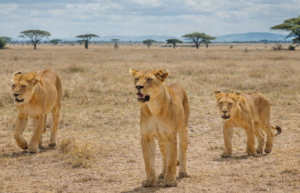
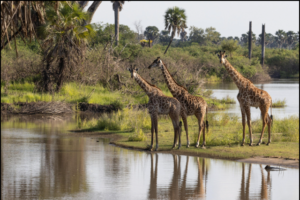
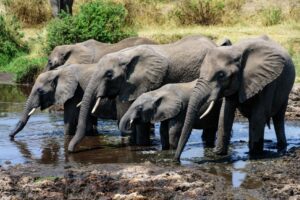
During your safari, you may encounter lions relaxing beside the road, elephants crossing the plains, giraffes feeding on acacia trees, cheetahs scanning the grasslands, and enormous herds of wildebeest stretching toward the horizon.
Why Choose a Group Serengeti Safari?
The major advantage of a group safari is cost sharing.
Expenses such as the safari vehicle, driver-guide, fuel, and logistics are divided among the travelers instead of being paid by just one or two people.
A typical shared safari uses a 4×4 Land Cruiser with a pop-up roof, allowing travelers to stand during wildlife viewing and photography.
A group adventure is particularly attractive for travelers who want:
- A more affordable Serengeti safari
- Opportunities to meet other travelers
- Professional wildlife guiding
- Big Five viewing opportunities
- Serengeti game drives
- A structured Tanzania Northern Circuit itinerary
- Camping or affordable lodge accommodation
Groups are normally small enough that travelers can comfortably enjoy game viewing and photography.
What Makes Serengeti National Park Special?
Serengeti means much more than seeing a few wild animals.
The enormous ecosystem contains grasslands, rocky kopjes, rivers, acacia woodland, valleys, and seasonal wetlands. Different habitats support different concentrations of wildlife throughout the year.
UNESCO describes the Serengeti ecosystem as supporting one of the world’s greatest remaining large-animal migrations, involving wildebeest and hundreds of thousands of zebras and gazelles.
The park is particularly famous for:
The Great Wildebeest Migration
Millions of grazing animals circulate through the greater Serengeti ecosystem searching for fresh grass and water.
The exact location of the migration changes according to rainfall and grazing conditions, which means no safari operator can guarantee that the herds will be in one particular location on a specific date.
Nevertheless, experienced safari guides understand the seasonal movement patterns and plan game drives according to recent wildlife locations.
Big Five Wildlife
Travelers visiting Serengeti may encounter:
Lion
Serengeti is especially famous for its large lion population.
Leopard
Often spotted resting in acacia trees or around riverine areas.
Elephant
Frequently encountered across woodland and savannah habitats.
Buffalo
Large herds can often be found around areas with good grazing and water.
Black rhino
The rarest Big Five member and never guaranteed, although populations occur within the wider Serengeti ecosystem.
TANAPA also identifies the Great Migration, Big Five, carnivore populations, rare species, birds, and dramatic landscapes among Serengeti’s principal attractions.
Wildlife You Can See on a Group Serengeti Safari
Your Group Serengeti Safari Adventure could reveal dozens of species in a single day.
Common wildlife includes:
- Wildebeest
- Zebra
- Lion
- Elephant
- Giraffe
- Buffalo
- Hippo
- Hyena
- Cheetah
- Leopard
- Gazelle
- Impala
- Topi
- Hartebeest
- Warthog
- Jackal
- Eland
- Crocodile
- Baboon
Serengeti also has exceptional birdlife. UNESCO records more than 500 bird species occurring seasonally or throughout the year.
Travelers interested in photography should bring binoculars and a camera with sufficient zoom capability.
How Does a Shared Serengeti Safari Work?
Joining a group safari is straightforward.
Travelers book individual seats in a scheduled safari vehicle. The operator then combines guests traveling on compatible routes and dates.
On departure morning, guests are collected from their accommodation in Arusha and meet the other members of their safari group.
Once everyone is ready, the adventure begins.
Shared safaris normally follow a predetermined itinerary because travelers are participating in the same program.
This differs from a private safari where departure times, game-drive duration, accommodation and routing can usually be customized much more freely.
Group Safari Vehicle
A good Serengeti safari vehicle is extremely important.
Most professionally operated Tanzania safaris use specially modified 4×4 Toyota Land Cruisers.
Features commonly include:
- Pop-up safari roof
- Large windows
- Comfortable passenger seats
- Charging ports
- First-aid kit
- Cooler or refrigerator
- Radio communication
- Storage space
- Professional driver-guide
A pop-up roof provides excellent visibility and allows guests to safely photograph animals from inside the vehicle.
Sample 4-Day Group Serengeti Safari Adventure
A popular group route combines Tarangire, Serengeti and Ngorongoro Crater.
Day 1: Arusha – Tarangire National Park
Your adventure begins from Arusha.
After meeting your safari guide and fellow travelers, drive toward Tarangire National Park.
Tarangire is especially famous for elephant herds, enormous baobab trees and beautiful savannah scenery.
Enjoy a game drive while searching for elephants, giraffes, zebras, lions, wildebeest and numerous antelope species.
Lunch is normally enjoyed inside or close to the park.
Later, continue to your overnight accommodation.
Day 2: Serengeti National Park
After breakfast, continue toward Serengeti.
The landscape gradually opens into the famous Serengeti plains.
Wildlife sightings can begin shortly after entering the ecosystem.
Your guide will search for:
- Lions
- Cheetahs
- Elephants
- Giraffes
- Hyenas
- Zebras
- Wildebeest
- Buffalo
- Leopards
Continue toward Central Serengeti for game viewing before reaching your campsite or lodge.
Dinner and overnight in the Serengeti.
Day 3: Serengeti Game Drive – Ngorongoro
Wake up surrounded by African wilderness.
Early morning is one of the most rewarding periods for wildlife watching because predators are frequently active before temperatures rise.
Enjoy another Serengeti game drive searching for lions, leopards, cheetahs and grazing animals.
Afterward, continue toward Ngorongoro Conservation Area.
Spend the night close to the crater or around the Karatu region, depending on your safari package.
Day 4: Ngorongoro Crater – Arusha
After an early breakfast, descend into Ngorongoro Crater.
The crater provides opportunities to observe an extraordinary concentration of wildlife within a relatively compact area.
Possible sightings include:
- Lions
- Elephants
- Buffalo
- Zebras
- Wildebeest
- Hippos
- Hyenas
- Gazelles
- Flamingos
- Black rhino
After lunch and additional game viewing, ascend from the crater and return toward Arusha.
Your Group Serengeti Safari Adventure finishes in the late afternoon or evening.
3-Day Group Serengeti Safari
Travelers with limited time can consider a 3-day Serengeti and Ngorongoro safari.
A typical itinerary is:
Day 1: Arusha → Serengeti
Day 2: Serengeti → Ngorongoro area
Day 3: Ngorongoro Crater → Arusha
This option is fast-paced because Serengeti is a considerable distance from Arusha, but it still provides an excellent introduction to two of Tanzania’s most famous wildlife destinations.
5-Day Group Serengeti Safari
If your schedule allows, five days provides a more relaxed experience.
A common itinerary combines:
Day 1: Tarangire
Day 2: Serengeti
Day 3: Full Serengeti game drive
Day 4: Serengeti → Ngorongoro
Day 5: Ngorongoro Crater → Arusha
The additional Serengeti day is particularly valuable for wildlife enthusiasts and photographers.
More time means greater opportunity to locate predators and explore different habitats.
Best Time for a Group Serengeti Safari Adventure
Serengeti can be visited throughout the year.
TANAPA lists game drives and balloon safaris among the principal activities available in Serengeti.
However, the experience changes according to season.
January–March
Southern Serengeti and the wider Ndutu ecosystem are associated with large concentrations of wildebeest during the calving period.
Predators frequently follow the herds.
April–May
These months usually bring greener landscapes and fewer safari vehicles.
Rain is more common, but photography can be beautiful.
June
Migration herds generally begin progressing toward western and northern sections of the ecosystem.
July–October
Excellent wildlife viewing across Serengeti.
Large migration herds commonly move toward Northern Serengeti and the Kenya border region.
River crossings may occur during this broader period, although their exact timing cannot be guaranteed.
November–December
Seasonal rains encourage the herds to begin moving south again.
The landscape becomes greener and birdlife is excellent.
Central Serengeti – Seronera
Most short group Serengeti safaris concentrate heavily on Central Serengeti, particularly the Seronera region.
There is a good reason.
Central Serengeti offers excellent year-round resident wildlife.
The area’s river valleys and grasslands support substantial populations of:
- Lions
- Leopards
- Elephants
- Buffalo
- Hyenas
- Cheetahs
- Hippos
- Giraffes
Even when the main migration is elsewhere, Central Serengeti can provide outstanding wildlife viewing.
Group Safari vs Private Safari
Both options are excellent, but they suit different travelers.
| Group Safari | Private Safari |
|---|---|
| Lower price | Higher price |
| Shared safari vehicle | Exclusive vehicle |
| Fixed itinerary | Flexible itinerary |
| Meet other travelers | Travel only with your party |
| Scheduled departures | Choose departure dates |
| Best for budget travelers | Best for families/couples |
| Less route flexibility | Highly customizable |
If your priority is affordability, choose a group Serengeti safari.
If your priority is photography, privacy, children, specialized migration tracking or itinerary flexibility, a private safari may be more suitable.
Group Serengeti Safari Accommodation
Several accommodation styles may be available.
Budget Camping
Camping is normally the least expensive option.
Travelers stay at public campsites using safari tents.
Packages can include:
- Tent
- Mattress
- Sleeping bag
- Meals
- Camping equipment
- Safari cook
Bathrooms and showers are normally shared.
Camping provides one of the most adventurous ways to experience Serengeti because you remain close to the sounds and atmosphere of the wilderness.
Tented Camps
Tented camps provide greater comfort while maintaining the feeling of being inside nature.
Typical rooms can include:
- Proper bed
- Private bathroom
- Shower
- Electricity
- Dining tent
- Comfortable seating
Prices vary considerably depending on location and season.
Safari Lodges
Lodges normally provide more permanent buildings and additional facilities.
They are ideal for travelers wanting greater comfort after long safari days.
Meals During Your Serengeti Safari
Safari packages generally include meals while traveling.
Depending on the itinerary, travelers receive:
Breakfast before departing accommodation.
Lunch during the game drive, either packed or prepared depending on the safari arrangement.
Dinner at the campsite or lodge.
Drinking water is normally supplied inside the safari vehicle.
Dietary requirements such as vegetarian, vegan or halal meals can usually be arranged when communicated before departure.
What Should You Pack?
Pack light and practical clothing.
Recommended items include:
- Comfortable shirts
- Lightweight trousers
- Fleece or warm jacket
- Comfortable walking shoes
- Hat
- Sunglasses
- Sunscreen
- Camera
- Binoculars
- Power bank
- Personal medication
- Small backpack
- Insect repellent
Ngorongoro can be particularly cold during early mornings, so a warm layer is strongly recommended.
Is a Group Safari Good for Solo Travelers?
Yes.
In fact, a Group Serengeti Safari Adventure is one of the most practical options for solo travelers because a private vehicle does not need to be paid for by one person.
You simply reserve a seat and join other travelers.
Another benefit is the social experience.
People frequently finish their safari having made friends with travelers from different countries.
Is Serengeti Suitable for Couples?
Absolutely.
Couples who are comfortable sharing a safari vehicle can save significantly by joining a group.
Your accommodation can still be booked as a private double room or private tent, even though game drives are shared.
Is It Suitable for Families?
Families can participate, although private safaris are often more convenient for those traveling with younger children.
Private tours provide greater flexibility for:
- Bathroom stops
- Lunch times
- Game-drive duration
- Rest breaks
- Children’s schedules
Families with older children may find group safaris perfectly suitable.
Great Migration on a Group Safari
Many travelers ask:
“Will I see the Great Migration?”
The answer depends largely on your travel dates and route.
Migration herds move continuously through the Serengeti-Mara ecosystem according to rainfall and grazing availability.
UNESCO describes the migration as a circular movement covering around 1,000 km across Tanzania and Kenya.
Therefore, seeing huge migration herds requires being in the correct region at approximately the correct time.
Short shared safaris visiting Central Serengeti cannot always follow distant migration concentrations.
Travelers specifically targeting Northern Serengeti river crossings or southern calving areas may benefit from a private migration-focused safari.
Advantages of Traveling in a Small Group
Small group safaris offer several benefits.
Affordable Price
Vehicle and guide expenses are divided among participants.
Social Experience
You meet travelers who share an interest in African wildlife.
Professional Guiding
Your driver-guide identifies animals, explains their behavior and searches for productive wildlife locations.
Photography Opportunities
The pop-up roof provides excellent visibility.
Hassle-Free Planning
Transport, park arrangements, accommodation and meals are organized beforehand.
Important Things to Know Before Booking
Before confirming any group safari, check exactly what your package includes.
Important questions include:
How many travelers are allowed in the safari vehicle?
Smaller groups usually provide a better viewing experience.
Does everyone have a window seat?
This is important for both comfort and photography.
Which parks are included?
Do not assume that every “Serengeti safari” includes Ngorongoro or Tarangire.
What accommodation is included?
Check whether you are booking camping, lodge or tented camp accommodation.
Are park fees included?
Park entrance and conservation fees can represent a significant portion of the safari cost.
Are meals included?
Confirm breakfast, lunch and dinner arrangements.
Where does the safari start and finish?
Most Northern Circuit group tours start and finish in Arusha.
What Is Normally Included?
A good Group Serengeti Safari Adventure commonly includes:
- Professional safari guide
- 4×4 safari vehicle
- Serengeti park entry fees
- Ngorongoro fees where applicable
- Game drives
- Accommodation
- Meals during safari
- Drinking water
- Government taxes
- Safari transportation
Always check your individual quotation because inclusions vary between operators.
What Is Usually Not Included?
Common exclusions may include:
- International flights
- Visa costs
- Travel insurance
- Tips
- Alcoholic drinks
- Personal expenses
- Optional balloon safari
- Additional accommodation before or after safari
- International airport transfers unless stated
Book Your Group Serengeti Safari Adventure
A Group Serengeti Safari Adventure gives travelers the chance to explore one of the world’s greatest wildlife ecosystems without the expense of booking an entire private safari vehicle.
From watching lions resting beneath acacia trees to encountering elephants crossing the road and thousands of wildebeest moving across endless plains, every day presents a different experience.
Whether you choose a 3-day Serengeti safari, 4-day Serengeti and Ngorongoro adventure, or 5-day Northern Circuit safari, traveling with a professionally guided small group can provide outstanding value and unforgettable wildlife encounters.
Serengeti’s scale, predator populations and spectacular animal migration have made it one of Africa’s most celebrated protected areas.