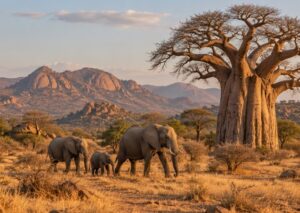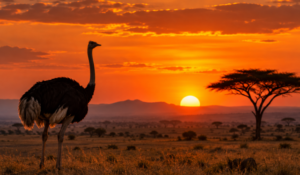
A Nyerere National Park safari and Ruaha trip brings together two distinctive wildlife destinations on Tanzania’s Southern Circuit. Explore river landscapes, woodlands and floodplains in Nyerere, then discover Ruaha’s baobab trees, rocky scenery and expansive savanna.
This combination suits travelers who want variety in their safari: wildlife viewing by vehicle, the possibility of a boat excursion in Nyerere, and time to explore different habitats without rushing between destinations.
Below are answers to common questions to help you plan your trip.
1. Why combine Nyerere National Park and Ruaha?
The parks offer contrasting landscapes and experiences.
Nyerere’s Rufiji River provides opportunities for boat safaris alongside traditional game drives. Ruaha adds rugged terrain, baobab landscapes and wildlife viewing around its river systems. Together, they create a varied Southern Tanzania itinerary.
Rather than spending every day on the same type of activity, you can build a trip that balances game drives, river exploration and relaxation at camp.
2. Is Nyerere National Park the same as Selous?
Nyerere National Park was established from part of the former Selous Game Reserve. The names remain closely associated in safari descriptions, but they should not be treated as completely interchangeable.
When reviewing a quotation, check the precise location of your accommodation, the park you will enter and where your activities will take place.
3. What is the difference between the two parks?
| Feature | Nyerere National Park | Ruaha National Park |
|---|---|---|
| Landscapes | River channels, floodplains and woodlands | Savanna, baobabs, rocky outcrops and river systems |
| Main safari focus | Game drives and Rufiji River boat excursions | Game drives through varied wildlife habitats |
| Photography subjects | River scenery, wetlands and birdlife | Baobab silhouettes, wildlife and rugged scenery |
| Planning consideration | Confirm boat availability and departure location | Choose accommodation that suits your game-drive areas |
These differences make the parks complementary stops on one safari.
4. When is the best time for a Nyerere and Ruaha safari?
June to October is a useful planning window for visiting both parks, especially if wildlife viewing is your main priority. This falls within their dry seasons, when animals often gather around available water.
TANAPA describes Nyerere’s dry season as extending approximately from June to November, while Ruaha’s dry season is generally June to October. Weather patterns vary, so conditions should be checked for your travel dates.
Other months can offer greener scenery, but accommodation operations, road access and activity availability need closer attention.
5. How many days should I allow?
For planning purposes, consider seven to nine days, depending on your transfers and the pace you prefer.
An itinerary with three nights in each park gives you time to enjoy several activities and recover from travel. If your holiday is shorter, compare the cost of flying between destinations with the time required for an overland route.
Count full safari days separately from arrival, transfer and departure days. A seven-day itinerary does not necessarily provide seven days of wildlife viewing.
6. What animals can I see in Ruaha?
Ruaha supports elephants, buffalo and predators such as lions and leopards, along with a variety of antelope. Its habitats bring together wildlife associated with both eastern and southern Africa, including greater and lesser kudu, sable and roan.
Sightings depend on animal movements, vegetation, weather and time spent exploring. No particular species or encounter can be guaranteed.
7. Can I include a boat safari in Nyerere?
Yes. Boat excursions on the Rufiji River are one of Nyerere’s distinctive safari activities. They offer a different perspective on riverbanks, crocodiles and birdlife.
The activity should be confirmed in your quotation, including its duration, departure point and any additional charges. Availability depends on operating conditions and the arrangements made by your accommodation or safari provider.
8. Are walking safaris available?
Nyerere offers guided walking safari opportunities as well as game drives and boat trips. Walking activities need to be arranged through authorized providers.
If a walking safari interests you, request it before booking. Confirm age requirements, fitness expectations, duration and whether the activity is included. For Ruaha, check the specific walking arrangements available through your chosen camp.
9. Should I travel by road or fly?
Choose based on your budget, available time and comfort with long journeys.
Nyerere can be reached by road or by flights from Dar es Salaam to park airstrips. Ruaha is accessible by road through Iringa.
For a combined itinerary, request a clearly explained transfer plan. An overland trip may require additional travel days or overnight stops. A flying itinerary requires confirmation of current routes, schedules, baggage limits and transfers between airstrips and camps.
10. What could a seven-day itinerary look like?
The following is a sample fly-in itinerary, subject to flight connections and accommodation availability.
| Day | Suggested plan |
|---|---|
| 1 | Travel to Nyerere, transfer to camp and enjoy an afternoon activity if timing allows |
| 2 | Game drives in Nyerere |
| 3 | Game drive and a prearranged Rufiji River boat excursion |
| 4 | Transfer to Ruaha using confirmed flight connections |
| 5 | Explore Ruaha on game drives |
| 6 | Another day of wildlife viewing, with time to relax at camp |
| 7 | Depart Ruaha for your onward destination |
For an overland version, allow extra time and obtain a separate route plan rather than assuming the same schedule will work.
11. What accommodation can I choose?
Both parks offer camping and lodge or tented-camp options. Ruaha also has park bandas listed among its accommodation choices.
Compare more than the room category. Ask about:
- Location inside or outside the park.
- Private or shared bathroom facilities.
- Electricity and charging arrangements.
- Meals and drinks included.
- Distance from the airstrip and wildlife-viewing areas.
- Seasonal opening dates.
A well-positioned camp can make a meaningful difference to the time you spend exploring.
12. How much does the trip cost?
There is no single fixed price for a combined Nyerere and Ruaha safari. Your total depends on travel dates, group size, accommodation, transport and activities.
Request an itemized quotation showing accommodation, meals, park charges, game drives, transfers and any domestic flights. Boat excursions, walking activities, drinks, tips and pre-safari accommodation should each be identified as included or excluded.
Use a quotation prepared for your actual dates rather than relying on a general “from” price.
13. Can I add Zanzibar?
You can request a Zanzibar beach extension before or after your safari. The practical route depends on available flights and connection times.
Ask your consultant to coordinate the mainland safari, Zanzibar flights and hotel transfers as one itinerary. Keep a comfortable connection margin, especially before an international departure.
14. What should I pack?
Bring lightweight clothing in neutral colors, a warmer layer for early mornings, comfortable shoes, a sunhat, sunscreen, insect repellent and your personal essentials.
Binoculars and a camera with spare batteries are useful. If you are flying on safari aircraft, obtain the airline’s baggage allowance before packing; weight limits and bag requirements depend on the operator.
Plan Your Nyerere and Ruaha Trip
Share your travel dates, number of travelers, preferred accommodation and starting point with Kilipath African Safaris to request a tailored proposal.
Mention whether you would like a boat safari, walking activity or Zanzibar extension. A detailed itinerary will help you compare the route, inclusions and total cost before booking.