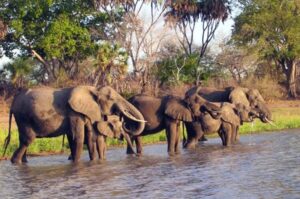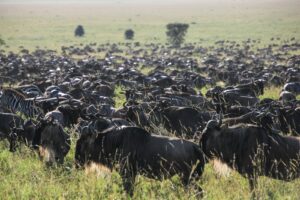
A Ruaha safari Serengeti trip combines two remarkably different wildlife destinations in one unforgettable Tanzanian adventure. Ruaha National Park offers remote landscapes, enormous elephant herds, powerful lion prides, and an authentic wilderness atmosphere. Serengeti National Park delivers vast grasslands, exceptional predator sightings, and the famous Great Wildebeest Migration.
Visiting both parks is ideal for travelers who want more than a standard safari itinerary. Instead of concentrating exclusively on Tanzania’s popular Northern Circuit, this journey connects the remote Southern Circuit with the legendary Serengeti ecosystem.
At Kilipath African Safaris, we can personalize your Ruaha and Serengeti journey according to your preferred travel dates, budget, accommodation style, and wildlife interests. Private safaris are especially recommended because the substantial distance between these parks requires carefully coordinated flights and transfers.
Why Combine Ruaha and Serengeti?
Ruaha and Serengeti offer contrasting environments and safari experiences. Combining them gives you a broader understanding of Tanzania’s wildlife, landscapes, and ecosystems.
Ruaha is rugged, uncrowded, and wonderfully wild. Its baobab-covered terrain, seasonal rivers, rocky hills, and woodland habitats support elephants, buffaloes, lions, leopards, African wild dogs, and many antelope species.
The Serengeti is famous for its seemingly endless plains. It is one of Africa’s most celebrated wildlife areas and supports large populations of lions, cheetahs, leopards, hyenas, elephants, giraffes, and migrating wildebeest.
A combined itinerary provides:
- Two completely different ecosystems
- Excellent opportunities to see predators
- A chance to experience remote and famous safari regions
- Diverse scenery and photographic conditions
- Possible Great Migration encounters
- Comfortable fly-in safari connections
- A more comprehensive Tanzania safari experience
Ruaha gives you solitude and wilderness, while Serengeti gives you scale, abundance, and one of nature’s most extraordinary wildlife movements.
Ruaha National Park: Tanzania’s Remote Wilderness
Ruaha National Park is one of Tanzania’s largest and most rewarding protected areas. It forms an important part of the greater Ruaha ecosystem and is known for its low visitor numbers, dramatic scenery, and exceptional predator populations.
The Great Ruaha River is one of the park’s most important geographical features. During the dry season, animals gather around the remaining water sources, creating excellent wildlife-viewing opportunities. Elephants dig into sandy riverbeds in search of water, while lions and leopards patrol the surrounding vegetation.
Ruaha’s landscape includes:
- Ancient baobab trees
- Miombo woodlands
- Open savannah
- Rocky escarpments
- Seasonal sand rivers
- Riverine forests
- Rolling hills and distant mountains
This variety of habitats supports an impressive collection of wildlife. Ruaha is particularly well known for elephants and lions, but visitors may also encounter buffaloes, giraffes, zebras, greater kudus, lesser kudus, sable antelopes, roan antelopes, jackals, hyenas, and crocodiles.
African wild dogs are also present in the wider Ruaha ecosystem. Sightings cannot be guaranteed because these animals travel over extensive territories, but seeing them is an exceptional safari experience.
What Makes a Ruaha Safari Special?
Ruaha is ideal for travelers seeking an uncrowded African safari. Even during productive wildlife seasons, game-drive vehicles are generally fewer than in more famous parks.
The relative isolation creates a genuine feeling of exploration. You may spend extended periods observing elephants, lions, or antelopes without several other safari vehicles gathering around the sighting.
Ruaha’s principal attractions include:
Impressive lion populations
The wider Ruaha ecosystem supports an important lion population. Large prides can sometimes be observed hunting buffaloes or resting near river systems.
Large elephant herds
Ruaha is famous for elephants. During the dry season, individuals and family groups gather near water, making their behavior easier to observe.
Rare antelope species
Ruaha lies within a transition zone where wildlife species associated with eastern and southern Africa overlap. This creates opportunities to see greater kudu, lesser kudu, sable antelope, and roan antelope.
Beautiful baobab scenery
The park’s ancient baobabs create striking safari landscapes, particularly during sunrise and sunset.
Fewer safari vehicles
Lower visitor numbers offer quieter sightings and better conditions for travelers who value privacy, photography, and time spent observing animal behavior.
Serengeti National Park: Tanzania’s Iconic Safari Destination
Serengeti National Park is one of the world’s most renowned wildlife destinations. Its name is associated with vast plains, abundant predators, enormous herds, and the annual Great Migration.
The Serengeti ecosystem covers several distinct regions, each offering different landscapes and seasonal wildlife experiences.
Central Serengeti
Central Serengeti, commonly called Seronera, offers excellent wildlife viewing throughout the year. Permanent water sources support resident animals even when the main migration herds are elsewhere.
This region is particularly good for:
- Lions
- Leopards
- Cheetahs
- Hyenas
- Elephants
- Giraffes
- Hippos
- Resident wildebeest and zebras
Central Serengeti is an excellent choice for first-time visitors because it provides consistently rewarding game drives.
Northern Serengeti
Northern Serengeti is known for rocky hills, woodland, river systems, and seasonal wildebeest crossings. From approximately July through October, migrating herds may gather around the Mara River.
River crossings are unpredictable natural events. No operator can guarantee a crossing, but an experienced guide can monitor the herds and position the vehicle in promising areas.
Western Serengeti
The Western Corridor includes the Grumeti River and surrounding woodland. Migrating wildebeest frequently pass through this region from approximately May to July, depending on rainfall.
Southern Serengeti and Ndutu
From roughly December through March, large migration herds often gather on the nutrient-rich plains of Southern Serengeti and Ndutu. The calving season generally reaches its most active period between late January and February.
Thousands of wildebeest calves are born during this season, attracting lions, cheetahs, hyenas, and other predators.
The Great Migration on a Ruaha Safari Serengeti Trip
The Great Migration is a continuous movement involving vast numbers of wildebeest, zebras, and gazelles. The animals travel through the Serengeti–Mara ecosystem in response to rainfall, grazing conditions, and access to water.
Approximate seasonal patterns are:
| Period | Likely Migration Area | Main Experience |
|---|---|---|
| December–March | Ndutu and Southern Serengeti | Calving and predator activity |
| April–May | Central and Western Serengeti | Moving herds and green landscapes |
| May–July | Western Corridor | Grumeti region and herd movement |
| July–October | Northern Serengeti | Mara River region |
| October–December | Northern to Central Serengeti | Herds returning south |
These periods are useful planning guidelines, but the migration does not follow a fixed calendar. Rainfall can cause herds to arrive earlier, remain longer, or travel along different routes.
Your itinerary should therefore match the most suitable Serengeti region for your travel month. We can recommend the appropriate accommodation and route after confirming your dates.
Best Time for a Ruaha Safari Serengeti Trip
The best period depends on whether your priority is Ruaha’s dry-season wildlife, the Serengeti migration, photography, or quieter travel.
June to October
This is one of the best periods for Ruaha. Vegetation becomes thinner, and wildlife concentrates around rivers and water sources. Predator sightings can be excellent.
In Serengeti, the migration is usually moving through the Western or Northern regions during parts of this period. July through October is generally associated with Northern Serengeti and the Mara River area.
Advantages include:
- Excellent wildlife concentrations in Ruaha
- Comfortable daytime conditions
- Lower rainfall
- Seasonal Northern Serengeti migration activity
- Good photographic visibility
This is also a popular travel season, so camps and internal flights should be reserved early.
January to March
This period can combine Ruaha with the Southern Serengeti and Ndutu calving season. Ruaha is greener, with attractive landscapes and active birdlife.
Advantages include:
- Wildebeest calving in the southern ecosystem
- Excellent predator activity
- Green scenery
- Migratory bird species
- Dramatic clouds and photography
Some roads can become muddy after heavy rainfall, but experienced guides adjust routes according to local conditions.
November and early December
The short-rain season often brings fewer visitors, green landscapes, and excellent birding. Rain showers are usually intermittent rather than continuous, although conditions vary.
April and May
These are typically the wetter months. Some seasonal camps may close, and certain roads can become challenging. However, travelers who do not mind rain can enjoy lush scenery, fewer vehicles, and potentially attractive seasonal rates.
How to Travel Between Ruaha and Serengeti
Ruaha and Serengeti are located in different safari circuits. Driving directly between them is not practical for most travelers because it would require considerable time and complicated routing.
The most comfortable solution is a scheduled or charter flight.
A typical route may involve:
- Beginning in Dar es Salaam or Zanzibar
- Flying to Ruaha National Park
- Spending several nights in Ruaha
- Flying through an appropriate connecting airstrip
- Continuing to Serengeti
- Flying from Serengeti to Arusha, Kilimanjaro, Dar es Salaam, or Zanzibar
Flight schedules depend on the season, chosen camps, airstrips, and available connections. Some routes may require a connection or overnight stop.
Internal safari flights use smaller aircraft, and luggage limits are generally stricter than on international flights. Soft-sided travel bags are normally preferred over hard-shell suitcases.
Our team can coordinate the domestic flights, airstrip transfers, accommodations, park fees, and game drives so the different parts of the itinerary connect smoothly.
Recommended Trip Duration
A well-designed Ruaha safari Serengeti trip normally requires at least seven days. Nine to eleven days provide a more relaxed and rewarding experience.
Seven-day express itinerary
This is suitable for travelers with limited time:
- Three nights in Ruaha
- Three nights in Serengeti
- One travel or arrival component
Although possible, the schedule may feel busy because flight connections occupy part of the itinerary.
Nine-day balanced itinerary
A nine-day safari provides a better balance:
- Three or four nights in Ruaha
- Four nights in Serengeti
- Flight and transfer time
- More complete game-drive opportunities
Eleven-day comprehensive itinerary
This option is ideal for wildlife enthusiasts and photographers:
- Four nights in Ruaha
- Five nights across two Serengeti regions
- Flexible game-drive days
- Sufficient time for flights and transfers
The longer itinerary allows you to visit Central Serengeti and a seasonal migration region without rushing.
Sample Nine-Day Ruaha and Serengeti Itinerary
Day 1: Arrival in Tanzania
Arrive at Julius Nyerere International Airport, Kilimanjaro International Airport, or Zanzibar, depending on your international travel arrangements.
A representative welcomes you and transfers you to your hotel. Your guide or safari coordinator explains the itinerary, domestic flight procedures, luggage restrictions, and departure schedule.
Day 2: Fly to Ruaha National Park
After breakfast, transfer to the appropriate airport for your flight to Ruaha. The flight provides beautiful views of Tanzania’s changing landscapes.
Upon landing at the park airstrip, your guide welcomes you and begins the first game drive en route to your camp or lodge.
After lunch and some time to rest, enjoy an afternoon game drive. Watch for elephants, giraffes, zebras, greater kudus, buffaloes, and predators.
Day 3: Full-Day Ruaha Safari
Begin with an early breakfast before exploring Ruaha’s river systems and surrounding plains. Early morning is often productive for predators because temperatures are cooler and nocturnal animals may still be active.
Depending on your accommodation and preferences, you can return for lunch or carry a picnic for a full-day game drive.
Your guide interprets tracks, animal behavior, vegetation, and the relationships between predators and prey.
Day 4: Explore Ruaha’s Remote Landscapes
Enjoy another full day in Ruaha. Your guide may select a different part of the park based on recent wildlife reports and water availability.
Spend time observing elephants near the river, searching for lion prides, and photographing Ruaha’s baobab scenery. The quiet atmosphere makes it possible to appreciate smaller details, including birds, plants, tracks, and animal interactions.
Return to camp for dinner and an evening beneath the southern Tanzanian sky.
Day 5: Fly from Ruaha to Serengeti
After breakfast, enjoy a final short game drive if the flight schedule allows. Transfer to the airstrip for your onward journey to Serengeti National Park.
Your Serengeti guide meets you at the designated airstrip. Begin a game drive while traveling toward the lodge or tented camp.
The immediate change in landscape is striking. Ruaha’s woodlands and baobabs give way to the Serengeti’s open plains, kopjes, and expansive horizons.
Day 6: Full-Day Serengeti Game Drive
Spend the day exploring the Serengeti. Your exact route depends on the season, current wildlife movements, and your chosen camp location.
Search for lions near rocky kopjes, cheetahs scanning the plains, leopards resting in acacia trees, and hyenas moving between hunting territories.
You can enjoy a picnic lunch in the park or return to camp, depending on your preferred safari style.
Day 7: Serengeti Migration Experience
Dedicate another day to following wildlife activity. If traveling during a migration period, your guide monitors herd locations and chooses the most promising route.
It is important to allow enough time. Migration encounters are natural and unpredictable, so patience frequently produces better sightings than a rushed schedule.
Even when the main herds are elsewhere, the Serengeti remains highly rewarding because resident wildlife is present throughout the year.
Day 8: Serengeti Safari and Optional Balloon Flight
Begin before sunrise with an optional hot-air balloon safari. View the plains, rivers, and wildlife from above before landing for a celebratory breakfast.
Alternatively, enjoy an early game drive when predators and herbivores are particularly active.
Continue exploring the park before returning to camp for your final safari evening.
Day 9: Fly to Arusha, Zanzibar, or Dar es Salaam
After breakfast and a possible morning game drive, transfer to the airstrip. Fly to your next destination.
You may continue to Zanzibar for a beach holiday, connect with an international flight, or spend an additional night in Arusha or Dar es Salaam.
Accommodation Options
A Ruaha and Serengeti safari can be organized using mid-range, luxury, or exclusive accommodations.
Mid-range tented camps
Mid-range tented camps provide comfortable beds, private bathrooms, meals, and an authentic bush atmosphere. They are ideal for travelers seeking comfort without the cost of premium luxury lodges.
Facilities vary, but many offer:
- En-suite bathrooms
- Hot showers
- Solar electricity
- Charging facilities
- Restaurant and lounge tents
- Mosquito nets
- Private verandas
- Wi-Fi in selected common areas
Luxury safari camps
Luxury camps offer spacious suites, refined dining, highly personalized service, and beautiful locations. Some include swimming pools, private decks, premium beverages, and additional activities.
Exclusive camps and private villas
These accommodations are suited to honeymooners, families, photographers, and travelers wanting complete privacy. Private vehicles and personalized schedules can often be arranged.
Seasonal migration camps
Some Serengeti camps relocate during the year to remain close to the expected migration areas. These camps are particularly useful for travelers whose primary goal is witnessing seasonal herd movements.
Private Safari or Shared Safari?
A private safari is usually the best choice for a combined Ruaha and Serengeti itinerary.
With a private safari, you receive:
- A dedicated safari vehicle
- Your own professional guide
- Flexible departure times
- More time at preferred sightings
- Personalized photography stops
- An itinerary designed around your flights
- Greater freedom to select accommodations
Shared safaris are widely available on popular Northern Circuit routes, but combining Ruaha with Serengeti requires more complicated logistics. Scheduled group departures covering both parks are uncommon.
Private arrangements therefore provide the smoothest and most dependable experience.
Wildlife You May See
Wildlife sightings always depend on nature, season, habitat, and luck. However, combining these two parks creates opportunities to encounter an impressive variety of animals.
Wildlife in Ruaha
Possible sightings include:
- African elephants
- Lions
- Leopards
- African wild dogs
- Buffaloes
- Giraffes
- Greater and lesser kudus
- Sable and roan antelopes
- Zebras
- Impalas
- Waterbucks
- Hippos
- Crocodiles
- Spotted hyenas
Wildlife in Serengeti
Possible sightings include:
- Wildebeest
- Zebras
- Lions
- Cheetahs
- Leopards
- Spotted hyenas
- Elephants
- Giraffes
- Buffaloes
- Hippos
- Crocodiles
- Gazelles
- Elands
- Jackals
Both destinations are excellent for birdwatching. Depending on the season and areas visited, travelers may see eagles, vultures, hornbills, bee-eaters, kingfishers, storks, rollers, and numerous smaller species.
Safari Photography Opportunities
Ruaha and Serengeti complement one another beautifully for photography.
Ruaha provides dramatic backgrounds with baobabs, rocky terrain, dry riverbeds, elephants, and woodland environments. The lower number of vehicles may allow photographers more flexibility in positioning and waiting for animal behavior.
Serengeti offers open landscapes, predator action, enormous herds, and spectacular skies. Its grasslands make it easier to follow moving animals and capture environmental portraits.
A private photographic safari can include:
- Extra time at sightings
- Flexible meal schedules
- Early departures
- Carefully chosen vehicle positions
- Window access
- Beanbags for camera support
- Additional space for equipment
- A guide experienced with photographers
Tell us about your camera equipment and photographic goals when requesting your itinerary.
What Is Included?
A typical package may include:
- Accommodation during the safari
- Domestic flights listed in the itinerary
- Airport and airstrip transfers
- Private 4×4 safari vehicle
- Professional English-speaking guide
- Park entry fees
- Concession or camping fees where applicable
- Meals indicated in the itinerary
- Drinking water during game drives
- Government taxes
- Emergency assistance
- Selected soft drinks, depending on the package
Always check the final quotation because inclusions vary between accommodation levels and flight arrangements.
What Is Usually Excluded?
Common exclusions include:
- International flights
- Tanzania visa fees
- Travel insurance
- Vaccinations and medical expenses
- Tips for guides and camp staff
- Alcoholic and premium beverages
- Laundry unless included by the camp
- Optional balloon safari
- Personal purchases
- Activities not listed in the itinerary
Comprehensive travel insurance is strongly recommended. It should cover medical treatment, emergency evacuation, trip interruption, cancellation, and baggage problems.
What to Pack
Pack light, comfortable clothing in neutral colors such as khaki, beige, olive, or light brown.
Recommended items include:
- Lightweight shirts
- Comfortable safari trousers
- Warm jacket or fleece
- Closed walking shoes
- Sandals for camp
- Wide-brimmed hat
- Sunglasses
- High-SPF sunscreen
- Insect repellent
- Personal medication
- Camera and spare batteries
- Binoculars
- Small flashlight
- Reusable water bottle
- Soft-sided travel bag
Early mornings can be cool, particularly when traveling in open safari vehicles. Layered clothing makes it easier to adjust as temperatures rise.
Avoid packing excessive luggage because small safari aircraft normally impose strict weight and bag-type requirements.
Add Zanzibar to Your Safari
A Zanzibar extension is a natural addition to this itinerary. After exploring Ruaha and Serengeti, fly to Zanzibar for several days of relaxation.
Popular Zanzibar experiences include:
- White-sand beaches
- Stone Town tours
- Spice farm visits
- Snorkeling and diving
- Dhow cruises
- Prison Island excursions
- Jozani Forest
- Local cultural experiences
Your beach stay can be arranged in Nungwi, Kendwa, Matemwe, Paje, Jambiani, or another area based on your preferred atmosphere.
Book Your Ruaha Safari Serengeti Trip
A Ruaha safari Serengeti trip is perfect for travelers seeking a combination of remote wilderness and world-famous wildlife encounters. You can observe elephants beneath ancient baobabs in Ruaha, search for powerful lion prides near seasonal rivers, and then fly north to explore the endless Serengeti plains.
Kilipath African Safaris can arrange the complete journey, including domestic flights, private airport transfers, professional guides, park fees, accommodations, meals, and personalized game drives.
Contact us with your travel dates, number of travelers, preferred accommodation level, and approximate budget. We will create a customized Ruaha and Serengeti itinerary designed around your interests.
Begin planning your Ruaha safari Serengeti trip today and experience two of Tanzania’s greatest wilderness areas in one remarkable adventure.